
International Litigation: Navigating Global Legal Disputes

In an increasingly interconnected world, international litigation plays a crucial role in resolving cross-border disputes. Whether dealing with commercial disagreements, intellectual property conflicts, or jurisdictional challenges, understanding the intricacies of international litigation is essential. This guide provides a comprehensive overview of the topic, offering insights into its processes, key considerations, and how to achieve successful outcomes. What Is International Litigation? International litigation refers to legal disputes where the parties are based in or connected to different countries. This can include individuals, businesses, or governments. Typical cases in international litigation cover issues such as breaches of cross-border contracts, trade disputes, intellectual property violations, and enforcement of foreign judgments. These disputes often arise due to the complexities of global commerce and differing legal systems. The process involves navigating multiple legal jurisdictions and requires a deep understanding of the applicable domestic laws, international treaties, and private agreements. This scope makes international litigation inherently more complex than domestic cases. Key Differences Between Domestic and International Litigation One of the primary distinctions between domestic and international litigation is jurisdictional complexity. Determining which country’s court has the authority to hear the case is a crucial challenge. Factors such as where the dispute occurred, the location of the parties, and the terms of the contract (if applicable) influence jurisdiction. Another critical difference lies in legal frameworks. While domestic litigation operates solely under the national law of one country, international litigation may require the application or consideration of multiple legal systems and treaties. For instance, disputes may invoke agreements like the United Nations Convention on Contracts for the International Sale of Goods (CISG) or regional trade agreements. Furthermore, enforcement of judgments is often more complex in international contexts. While domestic court rulings are automatically enforceable within the same jurisdiction, enforcing a judgment across borders often requires additional legal steps, such as recognition of the judgment by foreign courts. International litigation requires strategic legal expertise to address these unique challenges, ensuring compliance with multiple jurisdictions and frameworks. The Process of International Litigation: Jurisdiction and Venue Selection Selecting the appropriate jurisdiction and venue is a critical step in international litigation, as it ultimately determines where the legal dispute will be heard and resolved. Therefore, this decision requires careful consideration. Furthermore, this process involves evaluating several factors to ensure the case is presented in a forum that maximizes fairness and efficiency for all parties involved. Consequently, a well-chosen venue can significantly impact the outcome of the case. Criteria for Determining Jurisdiction Jurisdiction refers to a court’s legal authority to hear a case. In international disputes, jurisdiction is often influenced by factors such as: Location of the Parties: The geographical presence of the individuals or entities involved. Place of Contract Performance or Breach: Jurisdiction may favor the location where the contract was signed, executed, or violated. Forum Selection Clauses: Many contracts include a clause specifying the agreed-upon jurisdiction in the event of a dispute. Applicable Laws: The governing laws stipulated in the contract can also influence jurisdiction. Factors Influencing Venue Selection Venue pertains to the specific court or arbitration panel within a jurisdiction. Key considerations include: Convenience for Parties and Witnesses: The venue should minimize travel and logistical challenges. Neutrality: Choosing a venue that neither party perceives as biased is essential in fostering trust. Efficiency: Some courts or arbitration centers are known for their faster resolution times. Costs: Venue selection can significantly impact legal fees and related expenses. Proper jurisdiction and venue selection are vital for avoiding jurisdictional challenges and ensuring enforceability of outcomes. Consulting with a specialized international attorney is crucial to navigating these decisions effectively. Filing a Claim and Legal Procedures Initiating a legal claim in a foreign jurisdiction can be complex, requiring careful preparation and adherence to the local legal system. Understanding the procedural steps and potential challenges can greatly improve the chances of a favorable outcome. Steps to Initiate a Case Identify Jurisdiction: Determine the appropriate court or tribunal based on the parties involved, location of the dispute, and applicable laws. Engage Legal Representation: Hiring a local attorney familiar with the jurisdiction’s legal framework is essential. Prepare Necessary Documentation: Compile all relevant documents, such as contracts, correspondence, and evidence, ensuring they meet the local requirements. File the Complaint: Submit the claim following the court’s procedural rules, including payment of filing fees and compliance with deadlines. Serve Notice: Notify the opposing party according to the jurisdiction’s service of process rules. Common Procedural Challenges Language Barriers: Legal proceedings often require documents and testimonies to be in the official language of the jurisdiction. Professional translation services are necessary to ensure accuracy and compliance. Document Requirements: Some jurisdictions have specific standards for document notarization, authentication, or apostille certification. Cultural and Legal Nuances: Differences in legal traditions, such as common law versus civil law systems, can affect the approach to evidence, arguments, and court procedures. Enforceability: Ensuring that a judgment obtained in one country can be enforced in another is an additional challenge, requiring knowledge of international treaties or bilateral agreements. Navigating these steps effectively often requires the expertise of specialized international litigators who can address procedural hurdles and advocate for the client’s interests in a foreign legal environment. Enforcement of Judgments Across Borders Enforcing a court judgment across international borders can be a complex process, often requiring compliance with treaties and local laws. Overview of International Treaties One key treaty governing cross-border judgment enforcement is the Hague Convention on Foreign Judgments in Civil or Commercial Matters. Specifically, it aims to provide a clear framework for recognizing and enforcing judgments among member states. Moreover, this treaty plays a crucial role in promoting legal predictability in international disputes, thereby enhancing stability and consistency in cross-border legal matters. Other treaties, such as bilateral agreements between countries, can also facilitate judgment enforcement. Challenges in Enforcement Non-Recognition of Foreign Judgments: Some jurisdictions do not recognize foreign judgments unless there is a treaty in place. In the absence of an agreement, courts may require re-litigation of the matter. Public Policy Concerns: Courts may refuse to enforce judgments
Digital Nomad Visa: Your guide to remote work across borders
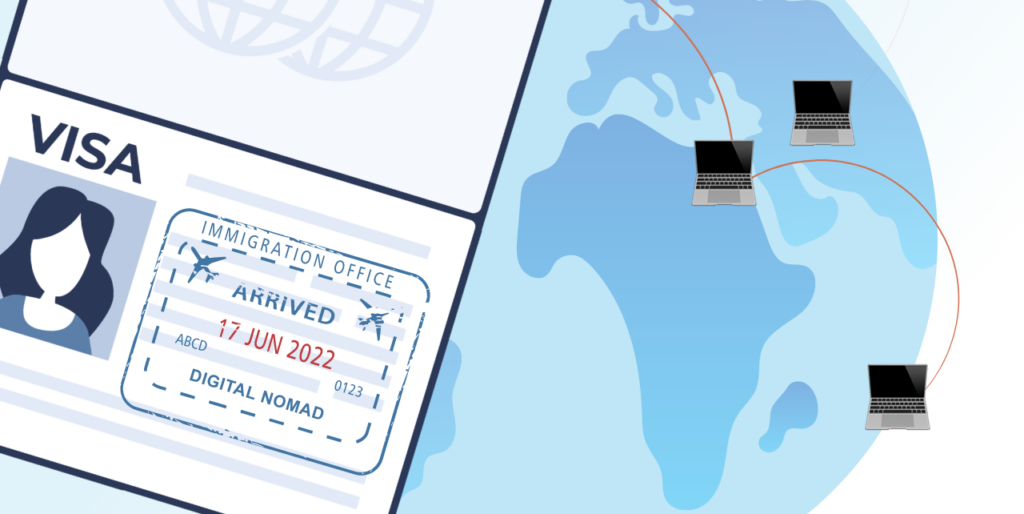
The Digital Nomad Visa has revolutionized the way professionals approach work and travel. With remote work becoming increasingly popular, this visa allows digital nomads to live and work legally in foreign countries while enjoying cultural and geographical diversity. This guide provides a comprehensive overview of the Digital Nomad Visa, its requirements, benefits, and application processes. What Is a Digital Nomad Visa? A Digital Nomad Visa is a specialized permit that allows remote workers to reside temporarily in a country while being employed by or running businesses outside that nation. It caters to freelancers, entrepreneurs, and employees of international companies who work remotely. Unlike traditional visas, this type is designed to accommodate the unique needs of location-independent professionals, often requiring proof of employment, income, and health insurance. Its purpose is to offer these individuals the legal means to work and live in another country without breaching local immigration or labor laws. The Rise of Digital Nomadism The COVID-19 pandemic significantly accelerated the adoption of remote work, reshaping global labor dynamics. As more professionals embraced the flexibility of working from anywhere, countries began to recognize the economic and cultural benefits of attracting digital nomads. By offering these visas, governments aim to stimulate local economies through tourism and long-term stays while avoiding the challenges associated with traditional work visa arrangements. Popular destinations like Portugal, Estonia, and Costa Rica have launched tailored programs to attract this demographic. Digital nomad visas are not only boosting local economies but also diversifying communities and fostering global interconnectedness. For remote workers, these visas offer a blend of adventure and stability, making international living more accessible than ever. Benefits of a Digital Nomad Visa For Individuals A Digital Nomad Visa offers significant benefits for individuals working remotely while living abroad. It provides legal residency, allowing nomads to stay in a host country for extended periods without visa issues. This legal status opens access to essential services, such as setting up local bank accounts, obtaining healthcare, and securing accommodations. These amenities make everyday life smoother and more integrated into the local community. Beyond practicality, living abroad on a digital nomad visa is an opportunity to explore diverse cultures and lifestyles. From learning new languages to experiencing local traditions, remote workers can enrich their personal and professional lives. Additionally, the ability to reside in a stable environment provides a sense of security that enhances productivity and work-life balance. For Host Countries Host countries benefit greatly from the influx of digital nomads. These individuals contribute to local economies through their spending on housing, dining, transportation, and leisure activities. By attracting high-earning professionals, digital nomad programs create new revenue streams, especially in sectors like hospitality and tourism. Moreover, digital nomads promote cultural exchange and international connectivity. Their presence introduces diversity to local communities and fosters collaborations across borders. Countries embracing digital nomadism enhance their global image as forward-thinking, inclusive, and competitive destinations for talent and innovation. This mutually beneficial arrangement strengthens ties between nations and individuals, shaping a more connected world. Countries Offering Digital Nomad Visas Brazil Brazil has emerged as a top destination for digital nomads, offering a straightforward visa process for remote workers. Applicants must provide proof of remote employment or self-employment, a minimum monthly income of USD 1,500 (or a bank balance of USD 18,000), and valid health insurance coverage. The visa is initially granted for one year, with the possibility of renewal. Lifestyle benefits are a significant draw for digital nomads in Brazil. From its world-renowned tropical beaches, such as Copacabana and Ipanema, to the vibrant culture filled with music, festivals, and cuisine, Brazil offers an enriching environment. Additionally, the relatively low cost of living compared to Western countries makes it an attractive option for those looking to stretch their budgets while enjoying a high quality of life. Remote workers can explore dynamic cities like São Paulo, Rio de Janeiro, and Salvador or settle in tranquil coastal towns for a laid-back lifestyle. How to apply for a Digital Nomad Visa in Brazil? General Requirements To apply for a Digital Nomad Visa in Brazil, applicants must meet specific criteria. Key documents include: A valid passport with at least six months of validity remaining. Proof of income, demonstrating a minimum monthly income of USD 1,500 or a bank balance of USD 18,000. Employment verification, such as a letter from an employer or evidence of business ownership if self-employed. Health insurance coverage valid in Brazil for the duration of the stay. Application Process Step-by-Step Gather Required Documents Collect all necessary documentation, ensuring translations into Portuguese where applicable. This includes notarized copies and apostille stamps for certain records. Submit Application Applications can be submitted online or in person at the nearest Brazilian consulate or embassy. Follow the instructions provided by the consulate regarding submission formats and procedures. Pay Associated Fees Pay the required visa processing fees as specified by the consulate. Fees may vary by location and application type. Await Approval Processing times typically range from a few weeks to months, depending on the workload at the consulate. During this period, ensure all communication channels are open for updates or additional requests. Plan Relocation Once the visa is approved, prepare for the move to Brazil. This includes securing accommodation, arranging finances, and familiarizing yourself with local customs and laws. The Digital Nomad Visa in Brazil opens opportunities for remote workers to live and thrive in a vibrant cultural setting, blending professional growth with a unique lifestyle experience. Challenges of Digital Nomad Visas Tax Implications Navigating tax obligations can be one of the most complex aspects of obtaining a Digital Nomad Visa. Many digital nomads face potential double taxation, where income is taxed both in their home country and in the host country. To address this, understanding double taxation treaties is crucial. These agreements, often established between countries, determine how income is taxed to avoid duplicative charges. For instance, Brazil has treaties with several nations to mitigate double taxation. To avoid tax issues while working abroad, digital nomads should: Consult with a tax
Retirement Visa in Brazil: Your Comprehensive Guide

The Retirement Visa is designed for foreign retirees seeking to reside in Brazil. To qualify, applicants must demonstrate a stable income or sufficient financial resources to sustain themselves during their time in the country, ensuring they can meet living expenses without local employment. Retiring in Brazil offers a perfect mix of stunning landscapes, affordable living, and a rich cultural experience. For foreigners, obtaining a retirement visa is a key step in making this dream a reality. This guide provides everything you need to know about the retirement visa in Brazil, covering eligibility, application steps, and tips for a smooth process. What Is a Retirement Visa in Brazil? A retirement visa allows foreign retirees to legally reside in the country for an extended period. It is specifically designed for individuals with a stable income or sufficient financial resources to support themselves without relying on employment in Brazil. This visa provides retirees the opportunity to enjoy a relaxed lifestyle in a country renowned for its natural beauty and cultural diversity. Why Retire in Brazil? Brazil offers numerous advantages for retirees looking to settle abroad. The cost of living is significantly lower compared to many Western nations, enabling retirees to stretch their savings further. Housing, dining, and transportation are often affordable, making it an attractive destination for those on fixed incomes. The country boasts world-class beaches, from the vibrant shores of Rio de Janeiro to the tranquil beauty of the northeast coast. Brazil’s rich cultural heritage, including its music, festivals, and cuisine, provides a unique and vibrant lifestyle for retirees. Additionally, Brazil offers access to a robust healthcare system. Private healthcare services in particular are affordable and of high quality, catering to the medical needs of expatriates. With its warm climate, welcoming communities, and diverse attractions, Brazil is an excellent choice for retirees seeking adventure, relaxation, and cultural immersion. Eligibility Criteria for a Retirement Visa Minimum Age Requirement To qualify for a retirement visa, applicants must meet the minimum age requirement of 60 years or older. This stipulation ensures that the visa is granted to individuals genuinely seeking long-term residency during their retirement years. Financial Requirements Applicants must demonstrate proof of a stable monthly income of at least $2,000 USD. This income should be sufficient to cover living expenses without the need for employment in Brazil. For those with dependents, additional funds are required—typically around $1,000 USD per dependent. This financial requirement guarantees that retirees can sustain themselves and their families while residing in Brazil. Health Insurance Coverage Having comprehensive health insurance valid in Brazil is a critical requirement for the retirement visa. Applicants must provide documentation proving that they have coverage for medical expenses during their stay. This ensures access to healthcare services without burdening the public system and provides peace of mind in case of emergencies or ongoing medical needs. These requirements together form the foundation for obtaining a retirement visa in Brazil, allowing retirees to enjoy the country’s relaxed lifestyle and natural beauty with financial and health security. Application Process for a Retirement Visa in Brazil Step-by-Step Guide Document Preparation: Before applying for a retirement visa, gather all required documents. These typically include a valid passport, proof of stable monthly income (e.g., bank statements or pension letters), comprehensive health insurance valid in Brazil, and a criminal background check issued by your home country. Application Submission: Submit these documents to the nearest Brazilian consulate or embassy in your country of residence. The consulate will review your application and may request additional paperwork or clarifications. Processing Time: The processing of a retirement visa usually takes 2-3 months, though this can vary based on the volume of applications and completeness of your submission. Issuance and Entry: Once approved, you’ll receive your visa and can enter Brazil. Upon arrival, register with local immigration authorities (Polícia Federal) to finalize your residency status. Common Pitfalls and How to Avoid Them Document Translation and Notarization Ensure all required documents are translated into Portuguese by a certified translator and properly notarized. Missing this step can lead to delays or rejection. Consistency in Financial Statements Double-check your financial documentation for accuracy and consistency. Any discrepancies may raise concerns during the application process. By following this guide and paying attention to details, you can streamline your application process and secure your retirement visa without unnecessary complications. Living in Brazil on a Retirement Visa Obtaining a retirement visa offers numerous advantages for foreign retirees. First, it provides long-term residency, allowing individuals to establish a stable home and fully integrate into Brazilian society. Retirees can open local bank accounts, enabling easier financial transactions such as receiving pensions or paying bills. Additionally, they gain the legal right to purchase and own property in Brazil, making it possible to invest in real estate or secure a dream home in the country. Another significant benefit is access to Brazil’s healthcare system. Retirees can utilize both public healthcare services through the SUS (Sistema Único de Saúde) and private healthcare providers, which are renowned for their high-quality services and relatively affordable costs compared to other nations. Challenges to Consider Despite these privileges, there are challenges that retirees must prepare for. One major hurdle is the language barrier. While some Brazilians speak English, especially in urban areas, Portuguese is the official language, and learning it is highly recommended for effective communication and a more immersive experience. Another challenge is adapting to Brazil’s legal and cultural environment. Brazil’s laws and bureaucratic processes can be complex and time-consuming, particularly for newcomers unfamiliar with local norms. Additionally, cultural differences, such as varying attitudes toward punctuality or personal interactions, may require time and patience to navigate. With careful preparation and a willingness to adapt, retirees can overcome these challenges and enjoy a fulfilling and vibrant life in Brazil. Key Differences: Retirement Visa in Brazil vs. Other Visa Types A retirement visa in Brazil offers significantly more advantages than a tourist visa. While a tourist visa typically allows for short-term stays of up to 90 days (extendable to 180 days per year),
Immigration Law: A Comprehensive Guide

Immigration law governs the legal processes for individuals entering and residing in a foreign country. It plays a crucial role in maintaining orderly migration while ensuring individuals’ rights and responsibilities are upheld. Whether you are seeking permanent residency, a work visa, or citizenship, understanding immigration law is essential. This guide will provide in-depth insights to help you navigate immigration processes. What Is Immigration Law and Why Does It Matter? Immigration law establishes the rules and regulations that govern entry, residency, and citizenship in a country. It balances national security with the protection of individual rights, ensuring that borders are secure while allowing for lawful immigration. These laws dictate visa types, residency permits, asylum procedures, and naturalization requirements, providing a structured pathway for foreign nationals to live and work in a new country. Immigration law also defines deportation policies and protections for vulnerable groups, such as refugees and asylum seekers. Why Understanding Immigration Law Is Crucial A solid understanding of immigration law is essential to avoid legal issues and ensure compliance with local regulations. Missteps, such as overstaying a visa or failing to update immigration status, can result in penalties, deportation, or even bans on re-entry. Awareness of these laws also ensures access to vital services, including healthcare, education, and employment rights, while protecting individuals from exploitation. For businesses, understanding immigration law is critical when hiring foreign employees to comply with work visa requirements and labor regulations. For individuals, it provides clarity on rights and responsibilities, enabling smooth integration into society and protection under the law. Consulting an immigration lawyer or expert can help navigate these complexities effectively. Key Immigration Categories Work Visas Work visas can be temporary or permanent, depending on the nature of employment and the applicant’s qualifications. Temporary work visas are often issued for specific projects or short-term employment, while permanent visas are geared toward long-term opportunities. Eligibility typically requires employer sponsorship, which involves submitting documentation such as employment contracts, proof of job necessity, and compliance with immigration regulations. Family-Based Immigration Family reunification visas allow spouses, children, and sometimes extended family members to join relatives residing abroad. These visas require proof of familial relationships, such as marriage or birth certificates, and adherence to specific application timelines. Supporting documentation and financial sponsorship are often necessary to ensure dependents can integrate successfully. Student Visas To study abroad, applicants must demonstrate financial stability and present an acceptance letter from an accredited educational institution. Student visas often come with rights like part-time work and access to local healthcare, but they may also impose restrictions, such as limits on employment hours. Permanent Residency Permanent residency grants individuals the right to live and work indefinitely in a country. In the U.S., this is achieved through green cards, while Brazil has equivalent statuses. Benefits include access to healthcare, education, and social services. Requirements often involve employment, family ties, or humanitarian grounds. Citizenship Naturalization allows permanent residents to become full citizens, granting them voting rights and enhanced legal protections. In both the U.S. and Brazil, the process involves meeting residency duration requirements, language proficiency, and passing civic or cultural exams. Timelines and additional criteria may vary by country. Consulting an immigration expert ensures adherence to legal requirements and streamlines the application process. Immigration Law in Brazil vs. the United States Brazil’s Immigration Policies The Brazilian Immigration Act (Law No. 13,445/2017) sets the framework for immigration policies, focusing on human rights, integration, and economic development. Brazil offers diverse visa categories, including work, student, family reunification, and investor visas, each with specific requirements. For instance, investors must meet minimum capital thresholds, while work visas often require employer sponsorship and approval from the Ministry of Labor. U.S. Immigration Framework The U.S. Immigration and Nationality Act (INA) governs immigration law, detailing visa types, quotas, and processes. The U.S. employs a more restrictive approach compared to Brazil, with caps on certain visa categories like employment-based visas and green card allocations. Non-immigrant visas, such as H-1B for skilled workers, are often subject to annual quotas, making the process highly competitive. Comparing Residency and Citizenship Processes In Brazil, permanent residency can be obtained through family reunification, employment, or investment, with timelines generally shorter than in the U.S. Brazilian naturalization requires as little as four years of residency, reduced to one year for those married to a Brazilian or with Brazilian children. The process is straightforward and often less costly. In contrast, the U.S. requires five years of permanent residency (three for spouses of U.S. citizens) before naturalization eligibility. Applicants must pass a citizenship test covering English and civics, adding complexity to the process. For businesses, Brazil’s approach may offer more flexibility for international expansion, but the U.S. provides stronger market opportunities. Weighing the pros and cons of each system ensures informed decisions for individuals and corporations seeking new opportunities. Consulting immigration experts can simplify navigating these frameworks. Challenges in Immigration and How to Overcome Them Navigating immigration processes in Brazil or other countries often involves intricate legal and bureaucratic language. Professional translators and legal experts are invaluable in ensuring all documentation is accurately prepared in the required language. Additionally, understanding cultural nuances—such as communication styles or appointment etiquette—can significantly ease interactions with local authorities and agencies. Immigration policies and laws are subject to frequent updates, reflecting changes in political priorities or international agreements. Staying informed about these regulations is crucial to avoid delays or penalties. For instance, Brazil’s immigration laws were overhauled in 2017, emphasizing human rights and integration. Consulting with experienced immigration lawyers can help individuals and businesses stay compliant and anticipate potential obstacles during the application process. Immigration applications typically require a variety of detailed documents, such as proof of income, residency, or family relationships. Incomplete or inaccurate submissions can lead to significant delays or outright rejections. To prevent such issues, it’s essential to organize and double-check all necessary paperwork beforehand. Working with legal professionals ensures that your applications are complete and comply with local requirements, improving the chances of a smooth approval process. By addressing language and cultural barriers,
Probate Process in Brazil: A Guide for Foreign Nationals

Probate is a critical legal process that ensures the proper distribution of a deceased person’s assets and the resolution of their debts. If you’re dealing with cross-border probate issues involving Brazil, understanding probate is essential to protect your rights and interests. Want to know more about the Probate process in Brazil? This guide covers everything you need to know about probate, from its definition to common challenges and solutions. What is Probate? Probate is the legal process by which a deceased person’s estate is settled. This includes verifying the validity of a will (if one exists), identifying heirs, paying debts, and distributing the remaining assets according to the law or the terms of the will. Why is Probate Important? Probate is a critical legal process that ensures a person’s estate is distributed fairly and in alignment with their final wishes. By validating the deceased’s will and overseeing the division of assets, probate provides clarity and structure to what can otherwise be a complex situation. This process is vital in safeguarding the deceased’s intentions and ensuring that beneficiaries receive their rightful inheritances. One of probate’s primary advantages is its ability to protect beneficiaries from disputes or potential fraud. When properly executed, probate provides a transparent and legally binding framework, reducing the likelihood of conflicts among heirs. By clearly establishing the validity of the will and the rightful distribution of assets, the process minimizes ambiguities that could lead to contentious legal battles or unfair outcomes. Additionally, probate offers a structured approach to addressing outstanding debts and obligations. Before distributing assets, the estate’s executor uses the probate process to identify and settle any liabilities, such as unpaid bills or taxes. This approach treats creditors fairly and prevents the unlawful distribution of the estate’s assets, avoiding future legal complications for the beneficiaries. Ultimately, probate provides legal certainty, protects all parties involved, and honors the deceased’s wishes. While it may seem complex, the benefits of probate far outweigh the challenges, offering peace of mind to families during a difficult time. Understanding Probate (Inventário) in Brazil: The probate process, known as inventário in Portuguese, is a legal procedure for managing and distributing the assets of a deceased individual. For foreign nationals with property or interests in Brazil, comprehending this process is essential to ensure compliance with local laws and the proper handling of the estate. In Brazil, probate is governed by the Civil Code and aims to ensure the lawful transfer of the deceased’s assets, either based on their will or, in its absence, the succession rules established by law. For foreigners, navigating the Brazilian probate system can be complex due to differences in legal frameworks and the need to meet specific documentation requirements. We highly recommend engaging a specialized attorney familiar with Brazilian inheritance laws to streamline the process, mitigate risks, and resolve any legal or administrative challenges efficiently. By understanding and correctly handling the probate process in Brazil, you protect the interests of all parties involved and honor the deceased’s wishes in accordance with Brazilian law. Types of Probate Procedures in Brazil In Brazil, probate is the legal process to manage and distribute a deceased person’s estate. Depending on the circumstances, there are two main types of probate: Judicial Probate: Necessary when there is a will or disputes among heirs. This formal process involves the court overseeing the administration and distribution of the estate. Extrajudicial Probate: Used when all heirs agree on the distribution, even if a will exists. This simpler, faster process is conducted through a notary (Cartório), avoiding court proceedings. Steps in the Probate Process Gather Documentation: Compile essential documents such as the death certificate, the will (if applicable), proof of heirs, and a detailed list of the deceased’s assets and liabilities. Choose the Procedure: Decide whether to proceed with judicial or extrajudicial probate based on the presence of a will and the heirs’ agreement. File the Petition: For judicial probate, submit a petition to the local court. For extrajudicial probate, present the required documents to a notary public. Appointment of Executor: An executor (inventariante) is designated to manage the estate. They oversee tasks such as paying debts, safeguarding assets, and ensuring proper distribution. Asset Valuation and Distribution: The estate’s assets are appraised, debts settled, and remaining assets distributed among heirs as outlined in the will or by Brazilian inheritance laws. Final Settlement: Complete any legal formalities to finalize the probate process, such as updating property titles or registering ownership changes with relevant authorities. Navigating probate in Brazil requires careful attention to legal requirements. Whether judicial or extrajudicial, the process ensures orderly asset management and distribution while safeguarding the interests of all parties involved. Important Considerations Legal representation is a vital component of the probate process in Brazil. Engaging a local attorney specializing in probate law ensures compliance with Brazilian regulations and simplifies the complexities involved. An experienced lawyer can guide you through each step, manage legal documentation, and address any challenges that may arise, particularly for foreign nationals. It is also crucial to account for taxes and fees. One of the primary costs is the Inheritance and Donation Tax (ITCMD), which varies by state. Additional expenses may include notary and court fees, depending on whether the process is judicial or extrajudicial. Proper planning with legal and financial advisors can help manage these obligations efficiently. For estates with assets in multiple countries, understanding international implications is essential. Coordination between Brazilian and foreign legal advisors may be necessary to address differences in laws, tax treaties, and other jurisdictional factors. This ensures that the probate process is aligned across all relevant territories. Finally, proper documentation is key. All required documents, including those originating from abroad, must be translated into Portuguese and authenticated according to Brazilian standards, such as through an apostille or consular legalization. Ensuring that paperwork meets these criteria is critical to avoid delays or complications. By addressing these elements proactively, the probate process in Brazil can be handled smoothly, ensuring the estate is distributed fairly and efficiently while protecting the interests
Opening a Bank Account in Brazil: A Comprehensive Guide

Opening a bank account in Brazil is essential for managing finances, especially for foreigners living, working, or conducting business in the country. Whether you’re moving to Brazil, investing, or simply need a local account for transactions, understanding the steps and requirements is essential. This guide provides a thorough overview to help you successfully open a bank account in Brazil. Why Open a Bank Account in Brazil? Benefits of Having a Local Bank Account Opening a bank account in Brazil is crucial for simplifying financial transactions. With a local account, you can easily pay bills, receive salaries, and transfer funds without the hassle of international processes. It also helps reduce costs, as it eliminates high fees associated with international wire transfers and currency exchanges. Furthermore, having a local account provides access to Brazil’s financial services, such as tailored loans, investment opportunities, and credit cards. These services are particularly beneficial for residents and businesses looking to integrate into the Brazilian economy. Who Needs a Brazilian Bank Account? A Brazilian bank account is essential for various groups. Expats and international students use it for daily expenses, tuition payments, and salary deposits. Foreign investors and business owners require it for managing operational costs, paying employees, and handling taxes. Even tourists planning extended stays find local accounts advantageous for cost-effective transactions and seamless access to funds during their visit. Opening a local bank account not only simplifies financial management but also enables access to Brazil’s dynamic economic landscape, ensuring a smooth experience for individuals and businesses alike. Requirements for Opening a Bank Account in Brazil: Types of Accounts Brazilian banks provide a range of account options designed to meet various needs. As a foreigner, your primary choices typically include: Checking Accounts Checking accounts (Conta Corrente) are essential for managing daily financial activities in Brazil. These accounts allow for convenient transactions, such as deposits, withdrawals, and bill payments, and often come with a debit card for purchases. Some checking accounts also provide access to overdraft facilities and online banking services. These accounts are ideal for individuals needing flexibility in managing their finances. Savings Accounts Savings accounts (Conta Poupança) are designed for those looking to save money while earning interest. They provide the benefit of a low-risk investment with liquidity, allowing users to access their funds as needed. The interest earned is tax-free in most cases, making them an attractive option for long-term savings. Savings accounts are straightforward to manage and ideal for individuals aiming to grow their financial reserves. Business Accounts Business accounts (Conta Empresarial) cater specifically to entrepreneurs and companies. These accounts offer advanced features such as payroll management, invoicing, and the ability to handle international transfers. They also provide tools to manage cash flow, track expenses, and integrate with accounting software. For businesses operating in Brazil, having a dedicated business account ensures compliance with tax regulations and facilitates smoother operations. Depending on your financial objectives, you might also consider exploring other account types or specialized services offered by Brazilian banks. Research the banks’ services, fees, and account options to select the one that best meets your needs. Some banks also offer specialized services for foreigners. Gather Required Documentation To open a bank account in Brazil, you’ll need to provide specific documentation. The exact requirements can vary by bank, but generally include: Passport: A valid passport is required as proof of identity Brazilian Tax Identification Number (CPF): This number is essential for any financial transactions in Brazil. You can obtain a CPF from the Federal Revenue Service (Receita Federal) or at a Brazilian consulate in your home country. Proof of Address: A recent utility bill, or similar document showing your Brazilian address or in the case of non-resident, exceptionally proof of address of the country in which the foreigner currently resides. Proof of Employment or Income: Some banks may require evidence of employment or a source of income, such as a work contract or bank statements from your home country. Special Considerations for Non-Residents Non-residents face unique challenges when opening a bank account in Brazil. While some banks provide non-resident accounts, these often come with limited services or restrictions compared to those available to residents. The process for non-residents may require additional documentation, such as consular registration, to validate identity and foreign status. Understanding these specific needs and ensuring all required documents are prepared can help streamline the process and prevent delays. Opening a bank account as a foreigner in Brazil involves navigating various requirements, making it essential to be well-prepared and informed. Step-by-Step Guide to Opening a Bank Account in Brazil 1. Choose the Right Bank: Start by researching major banks such as Itaú, Bradesco, Banco do Brasil, and Santander. Each offers unique services and account types, so select one that aligns with your financial needs and goals. 2. Prepare Your Documents: Ensure you have all required documents, such as a CPF (Cadastro de Pessoa Física), proof of residence, valid ID or passport, and possibly proof of income. Non-residents might need additional documentation, like consular registration. Translate documents into Portuguese if necessary. 3. Visit a Branch or Apply Online: While online banking is expanding, many banks still require a personal visit for account opening, particularly for non-residents. During this visit, you’ll submit your documents and provide the required information. 4. Sign the Agreement: Once approved, carefully review the account terms and conditions, including fees and banking limits. Signing this agreement formalizes your relationship with the bank. 5. Activate Your Account: After approval, you’ll receive a debit card and instructions for online banking. Follow the bank’s activation steps to access your account fully and manage transactions. Opening a bank account in Brazil is essential for simplifying financial transactions, managing savings, or conducting business. Proper preparation and understanding of the process ensure a smooth experience. Costs and Fees Associated with Brazilian Bank Accounts Banking in Brazil often comes with various fees that account holders should consider to manage their finances effectively: Monthly Maintenance Fees Most Brazilian banks charge a maintenance fee for managing accounts, which
Company Incorporation in Brazil: A Complete Guide

Company Incorporation in Brazil is a strategic move for entrepreneurs and businesses looking to tap into one of Latin America’s largest economies. This process requires navigating local regulations and understanding the unique aspects of the Brazilian business environment. By following the steps outlined in this guide and partnering with experienced legal professionals, you can establish a successful business in one of the world’s most dynamic economies. Ready to incorporate your company in Brazil? Why Incorporate a Company in Brazil? Brazil, the largest economy in South America, presents vast opportunities for businesses and investors. With a population exceeding 200 million, it offers access to a diverse and growing consumer base. Key sectors driving the economy include agriculture, technology, manufacturing, and renewable energy. Brazil is one of the largest global exporters of commodities like soy, coffee, and iron ore, making it a vital player in international trade. Additionally, the government actively promotes foreign investment through incentives, particularly in innovation, infrastructure, and green energy projects, aiming to boost sustainable economic growth. Benefits of Incorporation Establishing a business in Brazil as a formal legal entity, such as a limited liability company (LTDA) or corporation (S.A.), provides numerous advantages. Incorporation offers legal protection for shareholders, ensuring personal assets are safeguarded against company liabilities. Businesses can also access credit lines from Brazilian financial institutions and enjoy tax benefits offered to incorporated entities. Furthermore, a formal business structure enhances credibility with local partners, clients, and investors, fostering trust and facilitating growth in the competitive Brazilian market. Navigating Brazil’s regulatory environment may be complex, but the opportunities for expansion and profitability outweigh the challenges. Consulting experts in legal and business matters ensures a smoother path to success. Legal Structures for Companies in Brazil Brazil offers several business structures to suit various needs: Limited Liability Company (Sociedade Limitada – LTDA): The most popular choice for small to medium-sized businesses, an LTDA limits owners’ liability to their investment in the company. It provides flexibility and simplicity, making it ideal for partnerships. Corporation (Sociedade Anônima – S/A): Designed for larger enterprises, particularly those planning to issue shares, an S/A is regulated more stringently. It’s ideal for companies seeking to attract significant investments or expand through the stock market. Sole Proprietorship (Empresário Individual): Best suited for individuals starting small businesses. While it is straightforward to establish, the owner’s personal assets are not entirely protected from business liabilities. Choosing the Right Structure Selecting the right legal entity is crucial for long-term success. Key considerations include: Business Size: Smaller operations may benefit from the simplicity of a sole proprietorship or an LTDA, while larger organizations should consider the S/A structure to accommodate complex operations and investment needs. Liability: Evaluate the level of risk your business entails. If personal asset protection is critical, an LTDA or S/A is a safer choice. Future Expansion: For businesses planning to attract investors or expand globally, an S/A offers better credibility and scalability options. Understanding the advantages and limitations of each entity helps ensure your business aligns with its strategic goals. Consulting with legal and financial experts can simplify the decision-making process and facilitate compliance with Brazilian regulations. Steps to Company Incorporation in Brazil Incorporating a business in Brazil involves several key steps, ensuring legal and operational readiness: Obtain a CPF and CNPJ The CPF (Cadastro de Pessoa Física) is an individual tax identification number required for company representatives. The CNPJ (Cadastro Nacional da Pessoa Jurídica) is the corporate taxpayer identification number issued by Receita Federal, necessary for all business operations. Draft the Articles of Incorporation Outline the company’s purpose, the roles and responsibilities of partners, and the distribution of capital. Ensure the document complies with Brazilian corporate laws to avoid delays or rejections. Register with the Board of Trade Submit the Articles of Incorporation to the Junta Comercial, the state-level Board of Trade, to formalize the business entity. Open a Bank Account Open a corporate bank account with a Brazilian financial institution. Deposit the initial capital required to finalize the incorporation process, as stated in the Articles of Incorporation. Register for Taxes and Licenses Enroll with the Federal Revenue Service (Receita Federal) to fulfill tax obligations. Depending on the business’s industry, obtain specific licenses or permits, ensuring compliance with local and national regulations. Each step requires careful preparation and attention to detail, particularly for foreign entrepreneurs. Partnering with legal and financial advisors can streamline the process and ensure compliance with Brazilian laws and regulations. Costs and Timelines for Company Incorporation in Brazil Timeline The process of incorporating a business in Brazil generally takes 30 to 60 days, depending on the accuracy and completeness of submitted documentation and the efficiency of approvals from relevant authorities. Delays can occur if required documents, such as the Articles of Incorporation or tax registrations, are incomplete or incorrectly prepared. Foreign entrepreneurs might experience additional time for translation and validation of foreign documents. Costs The expenses associated with incorporation in Brazil typically range from USD 500 to 3,000, depending on the complexity of the business and professional services required. Key cost components include: Legal Fees: Hiring a specialized lawyer to draft and review incorporation documents is often necessary, especially for foreigners unfamiliar with Brazilian laws. Notary Costs: Notarization of official documents, especially translations and certifications for foreign nationals, adds to the expenses. Government Filing Fees: These cover registrations with the Junta Comercial, tax authorities, and obtaining a CNPJ. Other costs, such as opening a bank account or acquiring specific permits and licenses, may also apply depending on the business type. Planning for these financial and time requirements ensures a smoother incorporation process. Common Challenges and How to Overcome Them Language and Bureaucracy In Brazil, all official documents must be in Portuguese, which can be challenging for foreign entrepreneurs. Hiring a professional translator ensures accuracy and compliance with legal standards. Additionally, Brazil’s bureaucratic processes are known for their complexity. Working with local legal experts familiar with incorporation and regulatory requirements can help streamline paperwork and reduce delays. Tax Compliance Brazil has one of the
Trademark and Patent Registration: Intellectual Property in Brazil

Trademark and Patent Registration is essential for businesses and inventors aiming to protect their intellectual property (IP) and gain a competitive edge in the market. Understanding the processes for registering trademarks and patents ensures your brand and innovations are legally safeguarded, both locally and internationally. Ready to protect your intellectual property? What Are Trademarks and Patents? Trademarks are intellectual property rights that protect brand elements like logos, names, slogans, or symbols that identify and distinguish a business or its products. These elements play a vital role in building brand recognition and trust among consumers. For instance, the Nike “Swoosh” logo and Coca-Cola’s iconic script font are examples of well-known trademarks that help set these brands apart in the global market. In Brazil, the National Institute of Industrial Property (INPI) registers trademarks, ensuring that trademark owners can prevent others from legally using the same or similar marks for competing goods or services. Patents grant inventors exclusive rights to their creations, allowing them to prevent others from making, using, or selling their invention without permission for a certain period, typically 20 years. Patents are crucial for protecting innovations, such as cutting-edge technology in smartphones or groundbreaking medical devices. For example, the unique technology behind a smartphone’s facial recognition feature is often patent-protected. In Brazil, patents are also registered through INPI and can cover inventions (such as new processes or products) and utility models. By protecting their innovations, inventors can maintain a competitive advantage and monetize their creations effectively. Both trademarks and patents are essential tools for safeguarding intellectual property, ensuring market competitiveness, and fostering innovation. Why Trademark and Patent Registration Is Crucial? Legal Protection Safeguarding intellectual property is crucial for businesses to establish ownership over innovations and brand elements. By registering trademarks, patents, or copyrights, businesses protect themselves from infringement claims that could lead to costly legal disputes. Legal protection ensures exclusive rights to use, market, and profit from unique assets, preventing competitors from capitalizing on your ideas. Market Advantage Having registered IP creates a significant edge in the market. Customers tend to trust and engage with businesses that demonstrate credibility through protected innovations and distinctive branding. Additionally, intellectual property can serve as a valuable business asset. Trademarks and patents can be licensed or sold, creating additional revenue streams and enhancing the overall valuation of the company. For startups and established businesses alike, IP serves as a foundation for building a strong reputation and fostering customer loyalty. Global Expansion For businesses operating internationally or planning to expand, registering IP in foreign markets is essential. Protection in multiple countries ensures that your innovations and brand identity remain secure against unauthorized use. This is particularly important in industries where global competition is fierce. Many international treaties, such as the Madrid Protocol for trademarks or the Patent Cooperation Treaty (PCT), streamline the process of securing IP rights across multiple jurisdictions. Global IP protection supports sustainable growth and secures market positions worldwide. Trademark and Patent Registration: How to Register a Trademark? Registering a trademark in Brazil involves several steps to ensure legal protection for your brand. The process is managed by the National Institute of Industrial Property. Conduct a Trademark Search: Before filing, check INPI’s database to ensure your desired trademark is unique and not already registered. This step reduces the risk of rejection due to conflicts. Prepare the Application: The application must include detailed information about the trademark, such as its design, the category of goods or services it represents, and the applicant’s information. Proper classification is essential as trademarks in Brazil follow international standards for categorizing goods and services. Submit to INPI: File the application directly with INPI. This can be done online through the INPI portal. Filing fees are typically R$355 for standard applications or R$142 for small businesses or individual entrepreneurs. Examination and Publication: Once submitted, the INPI reviews the application to ensure compliance with Brazilian trademark laws. If the application meets all requirements, it is published in the Industrial Property Journal (Revista da Propriedade Industrial). This stage allows third parties to oppose the application within 60 days if they believe it conflicts with an existing trademark. Approval and Renewal: If no objections are raised or the opposition is dismissed, the trademark is approved. After approval, registration fees must be paid to finalize the process. The initial registration is valid for 10 years, with the option for renewal in successive 10-year periods. Costs and Timeline: The entire process in Brazil typically takes 12 to 18 months, depending on the complexity and potential oppositions. Timely registration secures exclusive rights, helping businesses establish a solid foundation in Brazil’s competitive market. Trademark and Patent Registration: How to Register a Patent? Types of Patents Brazil recognizes two main types of patents: Invention Patent (PI): Protects new products or processes with an innovative and industrial application. Utility Model Patent (MU): Applies to functional improvements in existing products. Plant varieties are protected separately under Brazil’s Plant Variety Protection Law. Step-by-Step Process Determine Patentability Ensure your invention meets the criteria of novelty, inventive step, and industrial application as required by Brazilian law. Conduct a Patent Search Use INPI’s database to check for existing patents and avoid conflicts that could invalidate your application. Prepare the Application Draft a detailed application, including the invention’s description, claims, and drawings. This documentation must comply with INPI’s formal requirements. File with INPI Submit the patent application to the INPI. The filing fee varies based on the type of patent and whether the applicant is an individual, a small business, or a large entity. Examination and Grant After submission, INPI conducts a thorough examination. Applicants may need to provide additional information or clarify claims. If the application is approved, the patent is granted and published in the Industrial Property Journal. Costs and Timeline Filing fees in Brazil start at approximately R$175 for individuals and small businesses and increase for larger companies. The patent approval process typically takes 3 to 7 years, depending on the complexity of the application and INPI’s backlog. Registering a patent
Renting Real Estate: A Complete Guide for Tenants and Landlords

Renting real estate can be a practical solution for individuals and businesses seeking flexibility and convenience without the long-term commitment of property ownership. Whether you’re a tenant looking for a perfect home or a landlord renting out property, understanding the nuances of real estate rental is essential. This guide explores key considerations, legal obligations, and best practices for renting real estate in Brazil Understanding Real Estate Rentals Renting real estate is a legal agreement where a landlord provides a tenant the right to occupy or use a property in exchange for periodic rent payments. This contract outlines terms such as duration, responsibilities, and protections for both parties, ensuring a fair and mutually beneficial arrangement. Common rental properties include residential homes, apartments, and commercial spaces. Why Renting Real Estate Matters? Renting real estate provides a flexible and cost-effective alternative to buying property. It is ideal for individuals or businesses seeking temporary accommodation, such as expatriates, professionals frequently relocating, or startups needing office space. Renting minimizes financial commitments and allows tenants to adapt quickly to changing needs or opportunities. For landlords, rentals offer a steady source of passive income, potential tax benefits, and long-term property appreciation, making it a valuable investment strategy. Key Considerations for Tenants Finding the Right Property Location When renting a property, location is a key factor. Consider its proximity to workplaces, schools, healthcare facilities, and other essential amenities. Evaluate the safety of the neighborhood and accessibility to public transportation if needed. Budget Set a realistic monthly budget, including rent, utilities, maintenance fees, and any additional costs such as parking. Understanding your financial limits helps you target properties within your range without unnecessary strain. Inspection Visiting the property is essential. Check its condition, including structural integrity, plumbing, electrical systems, and included appliances. Ensure it aligns with your expectations and meets your needs before signing a lease. Understanding Lease Agreements Key Terms Thoroughly review lease agreements to understand terms such as lease duration, monthly rent, and the required security deposit. Ensure there is clarity on payment schedules and methods. Maintenance and Termination Look for clauses regarding maintenance responsibilities, detailing what repairs are covered by the landlord and what falls on the tenant. Review the termination terms, including penalties for early termination or conditions for lease renewal. Aspects of Brazilian Law In Brazil, rental agreements are governed by the Lei do Inquilinato (Tenancy Law), which establishes rights and obligations for both parties. Ensure the contract adheres to legal standards, including fair rent adjustments and clear notice periods for termination. Tenant Rights and Responsibilities Rights Under Brazilian law, tenants have rights to fair treatment, protection against arbitrary eviction, and access to habitable living conditions. Landlords cannot increase rent indiscriminately and must follow legal procedures for eviction. Responsibilities Tenants are responsible for paying rent on time, maintaining the property in good condition, and adhering to the lease terms. Any damages caused by the tenant must be repaired or compensated for to avoid legal disputes. Landlord Responsibilities in Renting Real Estate Preparing the Property for Rent Repairs and Maintenance Before renting out a property, ensure it is in good condition and meets safety standards. Address necessary repairs and confirm compliance with local building codes, including electrical systems and structural stability. This preparation enhances tenant satisfaction and reduces potential legal issues. Market the Property Promote the property through online platforms, real estate agents, and local advertisements. Include clear descriptions, high-quality photos, and competitive pricing to attract potential tenants. Highlight features like proximity to amenities, recent renovations, or unique aspects of the property. Aspects of Brazilian Law to Consider In Brazil, landlords must provide tenants with a habitable property as required by the Lei do Inquilinato (Tenancy Law). Any defects or safety issues must be disclosed. Landlords must also ensure compliance with local zoning and housing regulations to avoid legal complications. Drafting a Lease Agreement A detailed lease agreement is crucial to protect the interests of both landlord and tenant. It should include: Rent Amount and Due Date: Specify the monthly rent and the payment method. Rules for Property Use: Outline permissible uses, such as subletting or property modifications. Termination and Renewal Conditions: Define notice periods for ending or renewing the lease. Aspects of Brazilian Law to Consider Brazilian law mandates clear terms on rent adjustments, security deposits (limited to three months’ rent), and tenant protection against sudden eviction. Contracts must comply with the Lei do Inquilinato. Ensure legal accuracy with professional advice. Managing Tenant Relationships Communication Foster open communication to address tenant concerns and set clear expectations. Regular check-ins can help maintain a positive relationship. Maintenance Requests Respond promptly to repair requests to ensure tenant satisfaction and uphold legal obligations for property maintenance. Aspects of Brazilian Law to Consider Landlords in Brazil are required to resolve structural maintenance issues and cannot enter the property without tenant consent, except in emergencies. Legal Considerations in Renting Real Estate Rental Laws in Brazil vs USA Brazil In Brazil, rentals are primarily governed by the Lei do Inquilinato (Tenancy Law). This law protects tenant rights, outlines landlord responsibilities, and regulates eviction processes. It mandates clear terms in lease agreements, such as rent, security deposits (capped at three months’ rent), and procedures for rent adjustments. Eviction without legal cause is prohibited, and landlords must follow court procedures to reclaim a property. USA In the United States, rental laws vary by state but generally cover essential aspects like security deposits, rent control (in some states or cities), and resolving landlord-tenant disputes. Federal laws, such as the Fair Housing Act, ensure non-discrimination in housing. State-specific rules often govern lease agreements, notice periods, and property maintenance obligations. Understanding local regulations is vital for compliance. International Rentals Foreign nationals renting property in Brazil should consider the following: Tax Implications: Rent income may be subject to local taxes. Ensure compliance with Brazilian tax regulations by consulting a tax professional. Legal Documentation: Verify that all rental agreements are legally valid and written in both Portuguese and the foreigner’s native language. This ensures clarity and avoids
Investment in Brazil: A guide to Foreigners

Investment is the key to building wealth and achieving long-term financial security, especially if you are a foreigner. Whether you’re considering stocks, real estate, or mutual funds, understanding the basics of investing helps you make informed decisions aligned with your financial goals. This guide explores the different types of investments, strategies, and tips for navigating the complex world of finance in Brazil. What is an investment? An investment is the allocation of resources, such as time, money, or effort, with the expectation of generating future income or appreciating in value. Appreciation refers to the increase in an asset’s value over time, which is the primary goal of most investment activities. By investing, individuals or entities forgo the immediate use of their resources to achieve greater returns in the future. Investment: Key Features Investments come in various forms, including traditional assets like stocks, bonds, and real estate, as well as alternative options such as commodities, cryptocurrencies, or venture capital. Regardless of the type, the primary goal is to increase value over time. For instance, buying shares in a company allows an investor to benefit from dividend payments or capital gains as the stock price appreciates. Similarly, investing in real estate can yield rental income and long-term property value appreciation. Bonds provide interest payments, offering a more stable but generally lower return compared to stocks. Balancing Risk and Diversification: Investments inherently carry risks, including market volatility, economic crises, or changes in regulatory environments. Diversification—spreading investments across various asset classes or geographic regions—is a common strategy to reduce exposure to risk. However, while diversification minimizes potential losses, it may also limit the potential for high gains, as not all investments in a portfolio are likely to perform well simultaneously. The Reward of Smart Investing: Successful investing requires careful analysis, strategic decision-making, and a long-term perspective. By aligning investments with financial goals and risk tolerance, individuals can effectively grow wealth and ensure financial stability. Ultimately, investing is about leveraging present resources to build a more prosperous future. Types of Investment: What to look for in Brazil? Diversification is the cornerstone of a solid investment strategy, essential for managing risks and enhancing potential returns. By distributing investments across various asset classes, sectors, or geographic regions, investors can mitigate the impact of market fluctuations and protect their portfolios from significant losses. Diversification encompasses many types, including stocks, bonds, real estate, commodities, and alternative investments like cryptocurrencies or private equity. Each type carries distinct risk and return profiles, enabling a balanced approach to achieving financial goals. Embracing diversification not only reduces exposure to individual market downturns but also capitalizes on opportunities across a broader spectrum of investment options. Where to Invest in Brazil? Brazil offers a diverse range of investment options, each with unique characteristics and potential returns. Understanding these opportunities is key to building a successful portfolio. Stocks (Equities): Investing in Brazilian equities means buying shares of companies listed on the B3 (Brasil Bolsa Balcão), the nation’s stock exchange. Key sectors include agribusiness, energy, and banking. Returns come from dividends or capital appreciation. Brazil’s preferred and common stock system mirrors international markets, offering investors flexibility based on risk tolerance. Real Estate: Investments in tangible properties such as residential homes, commercial buildings, or land. Real estate can provide income through rent or appreciation in property value. Bonds (Fixed-Income Securities): Brazilian government bonds, like Tesouro Direto, are popular for their stability and regular interest payments. These bonds are linked to inflation or fixed rates, providing protection against economic volatility. Corporate bonds are also available, albeit with slightly higher risk. Mutual Funds and ETFs: Mutual funds in Brazil pool resources to invest in various assets, managed by professionals aiming to outperform benchmarks. ETFs like BOVA11, which tracks the Ibovespa index, offer diversification and simplicity, catering to passive How to Invest in Brazil? Investing in Brazil requires careful preparation and an understanding of the local financial and economic landscape. By addressing key considerations, investors can maximize their opportunities while managing risks effectively. Research: Thorough research is essential. Whether investing in Brazilian stocks, real estate, or government bonds, understanding market dynamics is crucial. Brazil’s diverse economy offers opportunities in sectors like agribusiness, energy, and technology, but each comes with unique risks and rewards. Staying informed about local trends and economic policies can guide better decisions. Financial Planning: Before investing, ensure personal financial stability. Allocate sufficient funds for monthly expenses and maintain an emergency reserve. This is particularly important in Brazil, where market volatility can impact liquidity and short-term returns. Liquidity and Taxation: Brazilian investments, such as real estate or fixed-income securities, may have varying levels of liquidity. Additionally, understanding Brazil’s tax system, including capital gains and withholding taxes, is vital to calculate net returns. Seek professional advice to navigate these complexities effectively. Risk Management: Brazil’s economy offers high growth potential but can be subject to inflation and currency fluctuations. Diversifying across sectors and investment types can help mitigate risks. Evaluate each investment’s risk profile and only commit to amounts aligned with your financial comfort. Expert Guidance: Brazil’s legal and regulatory frameworks can be intricate. Partnering with local experts ensures compliance with financial regulations and helps uncover opportunities aligned with market trends. By focusing on these principles and leveraging Brazil’s vibrant economic opportunities, investors can build a portfolio that supports long-term financial success. Why Should You Invest in Brazil? Investing in Brazil offers unique opportunities for wealth growth and diversification. As one of the largest economies in Latin America, Brazil is rich in natural resources and boasts a dynamic market with sectors such as agribusiness, energy, technology, and real estate. These industries attract investors seeking high-growth potential. One of Brazil’s standout features is its strategic location and role in global trade. As a member of economic blocs like Mercosur, Brazil provides access to lucrative regional markets. Additionally, the country’s focus on renewable energy, particularly hydroelectric power, positions it as a leader in sustainable investments. For individual investors, Brazil presents an opportunity to diversify portfolios with assets less correlated to those in