
Retirement Visa in Brazil: Your Comprehensive Guide
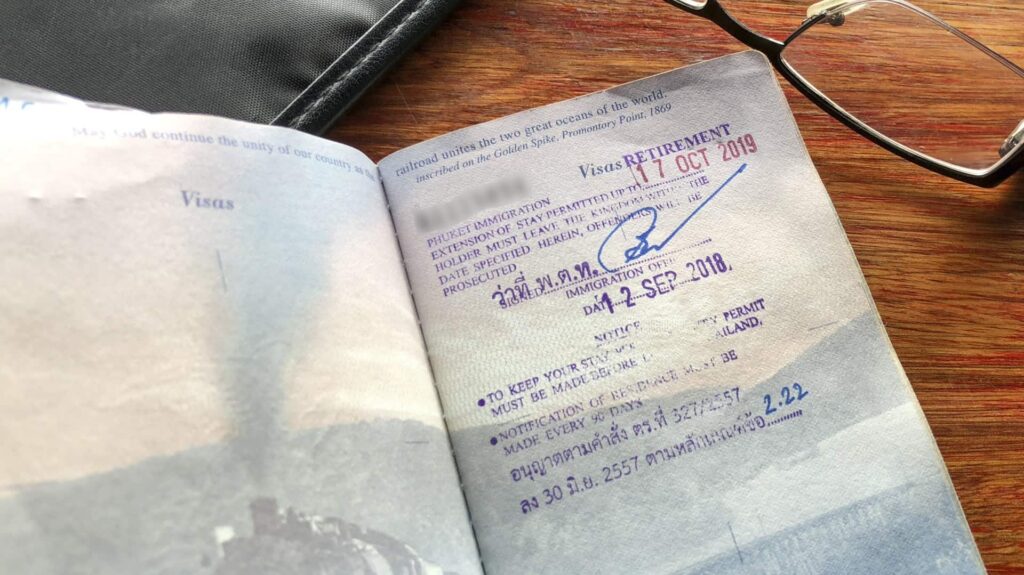
The Retirement Visa is designed for foreign retirees seeking to reside in Brazil. To qualify, applicants must demonstrate a stable income or sufficient financial resources to sustain themselves during their time in the country, ensuring they can meet living expenses without local employment. Retiring in Brazil offers a perfect mix of stunning landscapes, affordable living, and a rich cultural experience. For foreigners, obtaining a retirement visa is a key step in making this dream a reality. This guide provides everything you need to know about the retirement visa in Brazil, covering eligibility, application steps, and tips for a smooth process. What Is a Retirement Visa in Brazil? A retirement visa allows foreign retirees to legally reside in the country for an extended period. It is specifically designed for individuals with a stable income or sufficient financial resources to support themselves without relying on employment in Brazil. This visa provides retirees the opportunity to enjoy a relaxed lifestyle in a country renowned for its natural beauty and cultural diversity. Why Retire in Brazil? Brazil offers numerous advantages for retirees looking to settle abroad. The cost of living is significantly lower compared to many Western nations, enabling retirees to stretch their savings further. Housing, dining, and transportation are often affordable, making it an attractive destination for those on fixed incomes. The country boasts world-class beaches, from the vibrant shores of Rio de Janeiro to the tranquil beauty of the northeast coast. Brazil’s rich cultural heritage, including its music, festivals, and cuisine, provides a unique and vibrant lifestyle for retirees. Additionally, Brazil offers access to a robust healthcare system. Private healthcare services in particular are affordable and of high quality, catering to the medical needs of expatriates. With its warm climate, welcoming communities, and diverse attractions, Brazil is an excellent choice for retirees seeking adventure, relaxation, and cultural immersion. Eligibility Criteria for a Retirement Visa Minimum Age Requirement To qualify for a retirement visa, applicants must meet the minimum age requirement of 60 years or older. This stipulation ensures that the visa is granted to individuals genuinely seeking long-term residency during their retirement years. Financial Requirements Applicants must demonstrate proof of a stable monthly income of at least $2,000 USD. This income should be sufficient to cover living expenses without the need for employment in Brazil. For those with dependents, additional funds are required—typically around $1,000 USD per dependent. This financial requirement guarantees that retirees can sustain themselves and their families while residing in Brazil. Health Insurance Coverage Having comprehensive health insurance valid in Brazil is a critical requirement for the retirement visa. Applicants must provide documentation proving that they have coverage for medical expenses during their stay. This ensures access to healthcare services without burdening the public system and provides peace of mind in case of emergencies or ongoing medical needs. These requirements together form the foundation for obtaining a retirement visa in Brazil, allowing retirees to enjoy the country’s relaxed lifestyle and natural beauty with financial and health security. Application Process for a Retirement Visa in Brazil Step-by-Step Guide Document Preparation: Before applying for a retirement visa, gather all required documents. These typically include a valid passport, proof of stable monthly income (e.g., bank statements or pension letters), comprehensive health insurance valid in Brazil, and a criminal background check issued by your home country. Application Submission: Submit these documents to the nearest Brazilian consulate or embassy in your country of residence. The consulate will review your application and may request additional paperwork or clarifications. Processing Time: The processing of a retirement visa usually takes 2-3 months, though this can vary based on the volume of applications and completeness of your submission. Issuance and Entry: Once approved, you’ll receive your visa and can enter Brazil. Upon arrival, register with local immigration authorities (Polícia Federal) to finalize your residency status. Common Pitfalls and How to Avoid Them Document Translation and Notarization Ensure all required documents are translated into Portuguese by a certified translator and properly notarized. Missing this step can lead to delays or rejection. Consistency in Financial Statements Double-check your financial documentation for accuracy and consistency. Any discrepancies may raise concerns during the application process. By following this guide and paying attention to details, you can streamline your application process and secure your retirement visa without unnecessary complications. Living in Brazil on a Retirement Visa Obtaining a retirement visa offers numerous advantages for foreign retirees. First, it provides long-term residency, allowing individuals to establish a stable home and fully integrate into Brazilian society. Retirees can open local bank accounts, enabling easier financial transactions such as receiving pensions or paying bills. Additionally, they gain the legal right to purchase and own property in Brazil, making it possible to invest in real estate or secure a dream home in the country. Another significant benefit is access to Brazil’s healthcare system. Retirees can utilize both public healthcare services through the SUS (Sistema Único de Saúde) and private healthcare providers, which are renowned for their high-quality services and relatively affordable costs compared to other nations. Challenges to Consider Despite these privileges, there are challenges that retirees must prepare for. One major hurdle is the language barrier. While some Brazilians speak English, especially in urban areas, Portuguese is the official language, and learning it is highly recommended for effective communication and a more immersive experience. Another challenge is adapting to Brazil’s legal and cultural environment. Brazil’s laws and bureaucratic processes can be complex and time-consuming, particularly for newcomers unfamiliar with local norms. Additionally, cultural differences, such as varying attitudes toward punctuality or personal interactions, may require time and patience to navigate. With careful preparation and a willingness to adapt, retirees can overcome these challenges and enjoy a fulfilling and vibrant life in Brazil. Key Differences: Retirement Visa in Brazil vs. Other Visa Types A retirement visa in Brazil offers significantly more advantages than a tourist visa. While a tourist visa typically allows for short-term stays of up to 90 days (extendable to 180 days per year),