
Renting Real Estate: A Complete Guide for Tenants and Landlords

Renting real estate can be a practical solution for individuals and businesses seeking flexibility and convenience without the long-term commitment of property ownership. Whether you’re a tenant looking for a perfect home or a landlord renting out property, understanding the nuances of real estate rental is essential. This guide explores key considerations, legal obligations, and best practices for renting real estate in Brazil Understanding Real Estate Rentals Renting real estate is a legal agreement where a landlord provides a tenant the right to occupy or use a property in exchange for periodic rent payments. This contract outlines terms such as duration, responsibilities, and protections for both parties, ensuring a fair and mutually beneficial arrangement. Common rental properties include residential homes, apartments, and commercial spaces. Why Renting Real Estate Matters? Renting real estate provides a flexible and cost-effective alternative to buying property. It is ideal for individuals or businesses seeking temporary accommodation, such as expatriates, professionals frequently relocating, or startups needing office space. Renting minimizes financial commitments and allows tenants to adapt quickly to changing needs or opportunities. For landlords, rentals offer a steady source of passive income, potential tax benefits, and long-term property appreciation, making it a valuable investment strategy. Key Considerations for Tenants Finding the Right Property Location When renting a property, location is a key factor. Consider its proximity to workplaces, schools, healthcare facilities, and other essential amenities. Evaluate the safety of the neighborhood and accessibility to public transportation if needed. Budget Set a realistic monthly budget, including rent, utilities, maintenance fees, and any additional costs such as parking. Understanding your financial limits helps you target properties within your range without unnecessary strain. Inspection Visiting the property is essential. Check its condition, including structural integrity, plumbing, electrical systems, and included appliances. Ensure it aligns with your expectations and meets your needs before signing a lease. Understanding Lease Agreements Key Terms Thoroughly review lease agreements to understand terms such as lease duration, monthly rent, and the required security deposit. Ensure there is clarity on payment schedules and methods. Maintenance and Termination Look for clauses regarding maintenance responsibilities, detailing what repairs are covered by the landlord and what falls on the tenant. Review the termination terms, including penalties for early termination or conditions for lease renewal. Aspects of Brazilian Law In Brazil, rental agreements are governed by the Lei do Inquilinato (Tenancy Law), which establishes rights and obligations for both parties. Ensure the contract adheres to legal standards, including fair rent adjustments and clear notice periods for termination. Tenant Rights and Responsibilities Rights Under Brazilian law, tenants have rights to fair treatment, protection against arbitrary eviction, and access to habitable living conditions. Landlords cannot increase rent indiscriminately and must follow legal procedures for eviction. Responsibilities Tenants are responsible for paying rent on time, maintaining the property in good condition, and adhering to the lease terms. Any damages caused by the tenant must be repaired or compensated for to avoid legal disputes. Landlord Responsibilities in Renting Real Estate Preparing the Property for Rent Repairs and Maintenance Before renting out a property, ensure it is in good condition and meets safety standards. Address necessary repairs and confirm compliance with local building codes, including electrical systems and structural stability. This preparation enhances tenant satisfaction and reduces potential legal issues. Market the Property Promote the property through online platforms, real estate agents, and local advertisements. Include clear descriptions, high-quality photos, and competitive pricing to attract potential tenants. Highlight features like proximity to amenities, recent renovations, or unique aspects of the property. Aspects of Brazilian Law to Consider In Brazil, landlords must provide tenants with a habitable property as required by the Lei do Inquilinato (Tenancy Law). Any defects or safety issues must be disclosed. Landlords must also ensure compliance with local zoning and housing regulations to avoid legal complications. Drafting a Lease Agreement A detailed lease agreement is crucial to protect the interests of both landlord and tenant. It should include: Rent Amount and Due Date: Specify the monthly rent and the payment method. Rules for Property Use: Outline permissible uses, such as subletting or property modifications. Termination and Renewal Conditions: Define notice periods for ending or renewing the lease. Aspects of Brazilian Law to Consider Brazilian law mandates clear terms on rent adjustments, security deposits (limited to three months’ rent), and tenant protection against sudden eviction. Contracts must comply with the Lei do Inquilinato. Ensure legal accuracy with professional advice. Managing Tenant Relationships Communication Foster open communication to address tenant concerns and set clear expectations. Regular check-ins can help maintain a positive relationship. Maintenance Requests Respond promptly to repair requests to ensure tenant satisfaction and uphold legal obligations for property maintenance. Aspects of Brazilian Law to Consider Landlords in Brazil are required to resolve structural maintenance issues and cannot enter the property without tenant consent, except in emergencies. Legal Considerations in Renting Real Estate Rental Laws in Brazil vs USA Brazil In Brazil, rentals are primarily governed by the Lei do Inquilinato (Tenancy Law). This law protects tenant rights, outlines landlord responsibilities, and regulates eviction processes. It mandates clear terms in lease agreements, such as rent, security deposits (capped at three months’ rent), and procedures for rent adjustments. Eviction without legal cause is prohibited, and landlords must follow court procedures to reclaim a property. USA In the United States, rental laws vary by state but generally cover essential aspects like security deposits, rent control (in some states or cities), and resolving landlord-tenant disputes. Federal laws, such as the Fair Housing Act, ensure non-discrimination in housing. State-specific rules often govern lease agreements, notice periods, and property maintenance obligations. Understanding local regulations is vital for compliance. International Rentals Foreign nationals renting property in Brazil should consider the following: Tax Implications: Rent income may be subject to local taxes. Ensure compliance with Brazilian tax regulations by consulting a tax professional. Legal Documentation: Verify that all rental agreements are legally valid and written in both Portuguese and the foreigner’s native language. This ensures clarity and avoids
Investment in Brazil: A guide to Foreigners

Investment is the key to building wealth and achieving long-term financial security, especially if you are a foreigner. Whether you’re considering stocks, real estate, or mutual funds, understanding the basics of investing helps you make informed decisions aligned with your financial goals. This guide explores the different types of investments, strategies, and tips for navigating the complex world of finance in Brazil. What is an investment? An investment is the allocation of resources, such as time, money, or effort, with the expectation of generating future income or appreciating in value. Appreciation refers to the increase in an asset’s value over time, which is the primary goal of most investment activities. By investing, individuals or entities forgo the immediate use of their resources to achieve greater returns in the future. Investment: Key Features Investments come in various forms, including traditional assets like stocks, bonds, and real estate, as well as alternative options such as commodities, cryptocurrencies, or venture capital. Regardless of the type, the primary goal is to increase value over time. For instance, buying shares in a company allows an investor to benefit from dividend payments or capital gains as the stock price appreciates. Similarly, investing in real estate can yield rental income and long-term property value appreciation. Bonds provide interest payments, offering a more stable but generally lower return compared to stocks. Balancing Risk and Diversification: Investments inherently carry risks, including market volatility, economic crises, or changes in regulatory environments. Diversification—spreading investments across various asset classes or geographic regions—is a common strategy to reduce exposure to risk. However, while diversification minimizes potential losses, it may also limit the potential for high gains, as not all investments in a portfolio are likely to perform well simultaneously. The Reward of Smart Investing: Successful investing requires careful analysis, strategic decision-making, and a long-term perspective. By aligning investments with financial goals and risk tolerance, individuals can effectively grow wealth and ensure financial stability. Ultimately, investing is about leveraging present resources to build a more prosperous future. Types of Investment: What to look for in Brazil? Diversification is the cornerstone of a solid investment strategy, essential for managing risks and enhancing potential returns. By distributing investments across various asset classes, sectors, or geographic regions, investors can mitigate the impact of market fluctuations and protect their portfolios from significant losses. Diversification encompasses many types, including stocks, bonds, real estate, commodities, and alternative investments like cryptocurrencies or private equity. Each type carries distinct risk and return profiles, enabling a balanced approach to achieving financial goals. Embracing diversification not only reduces exposure to individual market downturns but also capitalizes on opportunities across a broader spectrum of investment options. Where to Invest in Brazil? Brazil offers a diverse range of investment options, each with unique characteristics and potential returns. Understanding these opportunities is key to building a successful portfolio. Stocks (Equities): Investing in Brazilian equities means buying shares of companies listed on the B3 (Brasil Bolsa Balcão), the nation’s stock exchange. Key sectors include agribusiness, energy, and banking. Returns come from dividends or capital appreciation. Brazil’s preferred and common stock system mirrors international markets, offering investors flexibility based on risk tolerance. Real Estate: Investments in tangible properties such as residential homes, commercial buildings, or land. Real estate can provide income through rent or appreciation in property value. Bonds (Fixed-Income Securities): Brazilian government bonds, like Tesouro Direto, are popular for their stability and regular interest payments. These bonds are linked to inflation or fixed rates, providing protection against economic volatility. Corporate bonds are also available, albeit with slightly higher risk. Mutual Funds and ETFs: Mutual funds in Brazil pool resources to invest in various assets, managed by professionals aiming to outperform benchmarks. ETFs like BOVA11, which tracks the Ibovespa index, offer diversification and simplicity, catering to passive How to Invest in Brazil? Investing in Brazil requires careful preparation and an understanding of the local financial and economic landscape. By addressing key considerations, investors can maximize their opportunities while managing risks effectively. Research: Thorough research is essential. Whether investing in Brazilian stocks, real estate, or government bonds, understanding market dynamics is crucial. Brazil’s diverse economy offers opportunities in sectors like agribusiness, energy, and technology, but each comes with unique risks and rewards. Staying informed about local trends and economic policies can guide better decisions. Financial Planning: Before investing, ensure personal financial stability. Allocate sufficient funds for monthly expenses and maintain an emergency reserve. This is particularly important in Brazil, where market volatility can impact liquidity and short-term returns. Liquidity and Taxation: Brazilian investments, such as real estate or fixed-income securities, may have varying levels of liquidity. Additionally, understanding Brazil’s tax system, including capital gains and withholding taxes, is vital to calculate net returns. Seek professional advice to navigate these complexities effectively. Risk Management: Brazil’s economy offers high growth potential but can be subject to inflation and currency fluctuations. Diversifying across sectors and investment types can help mitigate risks. Evaluate each investment’s risk profile and only commit to amounts aligned with your financial comfort. Expert Guidance: Brazil’s legal and regulatory frameworks can be intricate. Partnering with local experts ensures compliance with financial regulations and helps uncover opportunities aligned with market trends. By focusing on these principles and leveraging Brazil’s vibrant economic opportunities, investors can build a portfolio that supports long-term financial success. Why Should You Invest in Brazil? Investing in Brazil offers unique opportunities for wealth growth and diversification. As one of the largest economies in Latin America, Brazil is rich in natural resources and boasts a dynamic market with sectors such as agribusiness, energy, technology, and real estate. These industries attract investors seeking high-growth potential. One of Brazil’s standout features is its strategic location and role in global trade. As a member of economic blocs like Mercosur, Brazil provides access to lucrative regional markets. Additionally, the country’s focus on renewable energy, particularly hydroelectric power, positions it as a leader in sustainable investments. For individual investors, Brazil presents an opportunity to diversify portfolios with assets less correlated to those in
Copyright: All you need to Know in Brazil

Copyright is a crucial way to protect intellectual property of original works, such as literary, artistic, and scientific creations. With the growth of the creative and digital economy, copyright protection has become even more important for authors, artists, and companies around the world. In this guide, we’ll cover everything you need to know about copyright, from its definition to how to register your creations and ensure your legal rights, particularly in Brazil, for those looking to understand the laws surrounding the protection of their works. What is Copyright? Copyright is a legal right granted to authors, artists, and creators of original works, allowing them to control the reproduction and distribution of their creations. It provides protection against unauthorized use and ensures the creator has exclusive rights over their work. Always remember that copyright safeguards the expression of ideas but does not extend protection to ideas themselves, procedures, methods, systems, processes, concepts, principles, or discoveries. Since Brazil is a member of the Berne Convention, Brazilian law automatically grants copyright protection upon the creation of a work. Creators do not need to register the work to enforce their rights against third parties, as long as they fulfill the legal requirements for protection. How Does Copyright Work in Brazil? Law No. 9,610/98, commonly referred to as the “Brazilian Copyright Law” (BCL), establishes in Article 7 that all creations of the human intellect, expressed by any means or fixed on any type of tangible or intangible medium, are protected as intellectual works. From this legal definition and the scholarly discussions on the subject, two primary conditions emerge for an intellectual work to qualify for protection in Brazil: Expression: The work must be externalized in some concrete form; it cannot remain a mere idea. Originality: The work must demonstrate originality. This concept has led to varying interpretations: The objective approach considers a work original if it is novel. The subjective approach views originality as an expression of the author’s individuality or personality. Brazilian courts have applied differing standards depending on the type of work, but a consistent requirement is that the work must exhibit a minimum level of creativity to qualify for copyright protection in the country. Types of works protected by Copyright in Brazil Under the Brazilian Copyright Law (BCL), copyright protection is granted to intellectual works that meet the established legal criteria and are not explicitly excluded. Article 7 of the BCL provides examples of protected works, including: Literary, artistic, or scientific works. Lectures, speeches, and similar presentations. Dramatic works, with or without musical accompaniment. Choreographic works and pantomimes, provided their performance can be documented. Musical compositions, with or without lyrics. Audiovisual works, including films, with or without sound. Photographic works and similar productions. Works of drawing, painting, sculpture, engraving, lithography, and kinetic arts. Illustrations, maps, and similar works. Fine art works related to geography, engineering, architecture, landscaping, scenography, or science. Adaptations, translations, or other transformations of original works, provided they are presented as new intellectual creations. Computer programs. Collections, anthologies, encyclopedias, dictionaries, and databases that demonstrate creativity in their selection, organization, or arrangement. Conversely, Article 8 of the BCL explicitly excludes certain creations from copyright protection, such as: Ideas, procedures, systems, methods, or mathematical concepts in their abstract form. Rules for mental acts, games, or business practices. Blank forms and their instructions. Official texts, such as laws, court decisions, and regulations. Commonly used information, like calendars, agendas, and captions. Isolated names and titles. The industrial or commercial application of ideas derived from protected works. This legal framework ensures a balance between fostering creativity and setting clear boundaries for copyright protection in Brazil. Droit d’Auteur vs. Copyright: What is the difference? Copyright law safeguards intellectual, artistic, and scientific creations by focusing on their creative and aesthetic aspects rather than their utility. Brazil and the United States apply distinct legal frameworks for copyright protection, each tailored to specific cultural and legal traditions. Brazil’s Droit d’Auteur (Authors’ rights) emphasizes the author’s personal connection to their work, offering moral rights (e.g., authorship credit and withdrawal from circulation) alongside property rights for economic use. Conversely, the U.S. Copyright System focuses on the economic exploitation of works, where creators typically hold property-based rights that are often tied to commercial value. Key Differences Registration Brazil: No formal registration is required for protection. Works are safeguarded upon creation if they meet originality and novelty standards. U.S.: Registration with the U.S. Copyright Office is essential for enforcing rights in court. Authorship Brazil: considers only natural persons as authors, even for commissioned works U.S.: includes “works made for hire,” recognizing employers or commissioners as authors under certain conditions. Protection TermBoth countries offer 70 years of protection post-author’s death, with unique exceptions. Why should I register my work? In Brazil, copyright protection is automatic upon the creation of a work, but the legal system also provides a registration process for added security. While not mandatory, copyright registration offers significant advantages, particularly in establishing strong evidence of ownership. In copyright disputes or infringement cases, the primary challenge often lies in proving authorship and the creation date. A formal copyright registration, issued by a recognized public office, serves as prima facie evidence of the author’s ownership and the validity of the work. This legal recognition can simplify enforcement actions and strengthen claims in court, making registration a valuable tool for creators. How to Register Copyright in Brazil? In Brazil, the registration process varies depending on the type of work. Each organization has its own procedures and associated costs, which may include fees for application processing and documentation. Brazilian copyright law allows individuals to register intellectual works with the appropriate agency based on their category and nature, ensuring a stronger correlation between the type of work and the registering body. The following outlines the competent organizations for specific types of works: Literary and Related Works: Register with the National Library, which oversees the protection of literary creations such as books, articles, and other textual works. Song Lyrics and Sheet Music: Submit to the Music School
Immigrant Visa: How to get one?

If you are planning to visit, work, study, or live in a foreign country, you have likely encountered the legal procedures required to obtain a Travel visa, immigrant visa or passport. These documents are essential for international travel and residency, but navigating the application process can be challenging. This is particularly true for those seeking an immigrant visa, as the requirements are often more complex and demanding. Ensuring all necessary documentation is in order and understanding the specific legal framework of your destination country is critical for success. So, to help you through this intricate process, read this article! What is a Visa? A visa is an authorized document that grants its holder legal permission to enter a foreign nation. Typically, it is either stamped or affixed within the passport of the individual. Visas come in various forms, each offering the holder specific privileges and permissions while in the host country. Visa vs. Passport A passport serves as an official document issued to a nation’s citizens, enabling international travel and providing personal identification. It is a critical requirement for crossing borders and verifies the bearer’s nationality and identity. In addition to a passport, many countries require a visa, which is an authorization typically stamped or attached inside the passport. This endorsement permits the holder to enter, exit, or remain in the foreign country for a specified duration and purpose. Visas can vary in type, such as tourist, work, student, or permanent resident, each outlining specific conditions and rights. The process of obtaining a passport and visa often involves distinct application procedures, including submitting documentation, undergoing interviews, and sometimes meeting financial or health-related requirements. Understanding the differences between these two documents and their purposes is essential for smooth international travel. Immigrant Visa vs. Non immigrant Visa The main distinction between an immigrant visa and a non-immigrant visa lies in their purpose and duration. Immigrant visas are designed for individuals seeking permanent residency, allowing them to live and work indefinitely. These visas are typically granted through family or employment sponsorship. Some employment-based immigrant visas may also be self-petitioned, bypassing employer sponsorship. In contrast, non-immigrant visas are temporary and meant for individuals with no intention of staying permanently. Applicants must demonstrate strong ties to their home country or last country of residence, proving their intent to return. Immigrant Visa: from the world to Brazil Brazil offers various types of immigrant visas designed to accommodate individuals seeking permanent residency for diverse purposes, such as work, family reunification, or investment. Family-Based Visa For individuals with Brazilian family ties, such as spouses, children, or parents of Brazilian citizens or permanent residents. Employment-Based Visa Visto Permanente de Trabalho: For individuals hired by Brazilian companies for positions requiring specialized skills. Visa for Technical or Highly Skilled Workers: For professionals with expertise that meets labor market needs. Investor Visa (Visto de Investidor) For individuals investing a minimum amount in a Brazilian business, usually R$500,000. This can be reduced to R$150,000 for investments in innovation-focused startups. Retirement Visa (Visto de Aposentado) For retirees who can prove a monthly income sufficient to support themselves and any dependents in Brazil (usually R$6,000 or more). Research and Academic Visa For researchers, professors, or students engaged in academic or scientific activities. Refugee or Humanitarian Visa For individuals fleeing persecution, conflict, or natural disasters. Examples include visas for Haitians and Venezuelans under specific humanitarian programs. Digital Nomad Visa For remote workers employed by foreign companies who wish to live in Brazil while working online. Each visa type has specific requirements and application processes, often managed through the Ministry of Justice or the National Immigration Council. Brazil citizenship: Naturalization and Dual citizenship Naturalization in Brazil is the process by which foreign nationals obtain Brazilian citizenship. There are several pathways: ordinary naturalization requires four years of legal residence, basic Portuguese proficiency, and no criminal record. Special naturalization applies to individuals married to a Brazilian citizen for more than five years or those with a Brazilian child or parent, reducing the residency requirement to one year. Additionally, extraordinary naturalization allows foreigners residing in Brazil for over 15 years to apply without proving language proficiency. Dual citizenship is permitted in Brazil, allowing individuals to retain their original nationality while acquiring Brazilian citizenship. However, this must align with the laws of the other country involved. Dual citizens in Brazil enjoy full rights, including voting, holding public office, and accessing public services. However, they must respect Brazilian laws while in the country and may face military or tax obligations depending on their circumstances. Renouncing Brazilian citizenship is possible but rare, often required by countries that prohibit dual nationality. The process involves submitting a formal request to the Ministry of Justice, but individuals can regain Brazilian citizenship later if desired. What are the benefits of having an Immigrant Visa in Brazil? Obtaining an immigrant visa in Brazil offers numerous advantages, both for individuals seeking personal growth and those pursuing professional opportunities. As one of the world’s largest and most diverse economies, Brazil provides immigrant visa holders with a gateway to a dynamic and culturally rich society. Firstly, an immigrant visa grants the holder the right to reside and work legally in Brazil, ensuring access to the country’s growing job market. Brazil’s economic sectors, such as agriculture, technology, and energy, are rapidly expanding, creating opportunities for skilled professionals and entrepreneurs.Immigrant investors also benefit from Brazil’s incentives for foreign capital, particularly in innovation-driven businesses and infrastructure projects. Another significant benefit is access to public services, including healthcare and education. Brazil’s Unified Health System (SUS) provides free medical services, ensuring that immigrants and their families receive necessary care. Additionally, the country’s public universities, known for their academic excellence, offer tuition-free education to residents, including those with immigrant visas. Culturally, living in Brazil allows immigrants to experience a vibrant and diverse environment. The country’s rich traditions, festivals, and warm hospitality foster a sense of community, helping newcomers integrate smoothly into Brazilian society. An immigrant visa can also serve as a pathway to permanent residency and,
Intellectual Property in Brazil: What to know in 2025

Fostering and safeguarding intellectual property is a fundamental priority for every nation. Indeed, Intellectual Property (IP) serves as a key mechanism for generating, sharing, and managing knowledge, and its protection enables countries to secure their intellectual resources. In recent years, the Brazilian government has intensified efforts to cultivate a culture of innovation and expand the role of Intellectual Property within the country. Consequently, this shift has sparked numerous initiatives across all branches of government, aimed at modernizing and enhancing Brazil’s global competitiveness. Examples of these efforts include the adoption of significant international agreements, the establishment of updated national strategies, the introduction of new regulations and laws, public consultation efforts, and reforms within the judiciary and law enforcement systems. This article seeks to provide a concise and general overview of intellectual property in Brazil while addressing some common questions that may arise. What is Intellectual Property? The IP encompasses products of human creativity and intellect, including inventions, artistic and literary works, designs, as well as symbols, names, and images utilized in commerce. Legal protections, such as patents, copyrights, and trademarks, safeguard IP. These measures allow individuals to gain recognition or financial rewards for their innovations and creations. By balancing the rights of creators with the broader public interest, the IP framework seeks to cultivate an atmosphere where innovation and creativity can thrive. Types of Intellectual Property: Do you understand the difference between a patent and an industrial design? Or how to protect a photo using copyright? What about the advantages of obtaining a protected designation of origin? Here’s a concise guide to key intellectual property rights: Patents: Patents grant exclusive rights over inventions, giving their owners control over their use. In exchange for these rights, inventors must disclose technical details about their creations in published patent documents, making the information publicly accessible. Copyright: Copyright safeguards creators’ rights to their literary and artistic works, such as books, music, paintings, films, software, advertisements, and technical drawings. It ensures creators can benefit from their work while protecting it from unauthorized use. Trademarks: Trademarks are symbols, words, or designs that distinguish a business’s goods or services from others. Dating back to ancient times, trademarks have long been used to signify the origin and authenticity of products. Industrial Designs: These protect the ornamental or aesthetic aspects of a product, including three-dimensional features like shape and texture, as well as two-dimensional elements such as patterns, lines, and colors. Geographical Indications: These marks highlight products originating from specific regions, emphasizing qualities, reputation, or characteristics tied to that location. Commonly, they include the name of the region, linking the product to its unique origin. Trade Secrets: Trade secrets protect confidential business information, which can be sold or licensed. Misusing or disclosing such information without authorization is considered unfair and violates trade secret protections. Understanding these IP categories helps individuals and businesses safeguard their innovations, creations, and competitive advantages. Intellectual property in Brazil: What to know in 2025? Brazil has recently made significant improvements to its IP regulations. As of 30 December 2022, the National Institute of Industrial Property (INPI) now permits licensees to pay royalties for unregistered intellectual property rights, provided the contracts are registered with the INPI. Additionally, as of 3 August 2023, the Hague System has become legally binding in Brazil. While Brazil is a member of all major international IP agreements, piracy remains a widespread issue. Although the country has strict laws, including both criminal and civil penalties, enforcement is inconsistent. The National Institute of Industrial Property (INPI) handles most matters related to IP registration, with specific regulations for trademarks, patents, industrial designs, copyrights, integrated circuits, and plant varieties. Furthermore, the protection of confidential information is governed by both general contract law and the Intellectual Property Law. Lastly, there are regulations concerning contracts for the transfer of proprietary knowledge, including “know-how” and “technology.” Treaties and Agreements: Brazil became a member of the World Intellectual Property Organization (WIPO) in 1975 and is part of several WIPO-administered treaties and bodies. The National Institute of Intellectual Property (INPI), located in Rio de Janeiro and linked to the Ministry of Economy, is the primary authority for intellectual property matters in Brazil. Brazil is a signatory to numerous international treaties that impact intellectual property in the country. The key treaties include: Paris Convention for the Protection of Industrial Property (Paris Convention) Patent Cooperation Treaty (PCT) Agreement on Trade-Related Aspects of Intellectual Property Rights (TRIPs) Hague System for International Registration of Industrial Designs (Hague System) Protocol Relating to the Madrid Agreement (Madrid Protocol) Berne Convention for the Protection of Literary and Artistic Works (Berne Convention) Nagoya Protocol on Access to Genetic Resources and the Fair and Equitable Sharing of Benefits Arising from their Utilization to the Convention on Biological Diversity (Nagoya Protocol) These treaties play a crucial role in shaping Brazil’s intellectual property laws and regulations, aligning them with international standards. The different types of Intellectual Property in Brazil: Trademarks Brazil follows the priority principle outlined in the Paris Convention. A foreign trademark holder has six months from the date of registration abroad to file in Brazil and maintain priority. After this period, the “first to file” rule applies, granting priority to the first applicant. Although trademark registration was traditionally slow, it now typically takes two to three years. Trademark protection lasts for 10 years and can be renewed indefinitely. Patents, Designs, and Models of Invention Patent registration in Brazil is time-consuming, with the process often taking over a decade. In contrast, registration for industrial designs and models is quicker. Brazil is part of the Patent Cooperation Treaty (PCT), allowing applicants to file internationally. Foreign applicants also benefit from the Paris Convention priority. Patents and designs are protected under Brazilian Intellectual Property Law. Furthermore, on 3 August 2023, Brazil fully adopted the Hague Agreement for the international registration of industrial designs, joining the Hague System. In addition, Brazilian regulations require applicants to file through the INPI and ensure that designs share a common purpose and distinguishing features. As a result, protection
Buying Real Estate: Why Invest in Brazil?
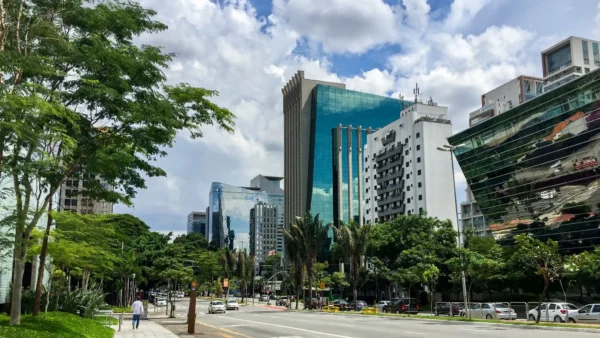
Brazil is among the largest economies globally and actively promotes foreign investments, particularly in the real estate sector. With the economy on the rise, especially in coastal cities like Rio de Janeiro, buying real estate in Brazil offers dual benefits: Enjoy a vacation home; Generate income through rental agreements when you’re not there. Additionally, the steady appreciation of property values can lead to significant financial gains over time. A common myth suggests that foreigners are not allowed to purchase property in Brazil, likely due to insufficient information on the topic. However, this is untrue—foreigners can legally own property in the country. That said, buying real estate in Brazil requires careful planning and thorough research. Ensuring you avoid unnecessary risks and maximize your savings is crucial, and this is where professional guidance becomes invaluable. For those interested in legally buying real estate in Brazil, following expert advice and taking a diligent approach are key to securing a safe and rewarding investment. Below, you’ll find some practical tips to help you get started. What is Real Estate? The terms land, real estate, and real property are often used interchangeably, but each has a distinct meaning. Land refers to the earth’s surface, extending downward to the earth’s core and upward to the airspace above. It includes natural resources such as trees, minerals, and water. Land has unique physical characteristics: it is immovable, indestructible, and geographically unique, as no two parcels are identical. Real estate builds on the concept of land by including any permanent, man-made structures attached to it, such as houses or other buildings. Modifications or additions to the land that increase its value, such as homes or infrastructure, are referred to as improvements. Improvements often require significant investment and, while structures can be demolished, features like utilities and drainage systems are typically permanent. Real property goes a step further by incorporating the land, its improvements, and the legal rights associated with ownership. These rights include the ability to use, sell, lease, or develop the property as allowed by law. Grasping the distinctions between these terms, along with the various property types, is crucial for effectively managing real estate transactions and understanding property law. Types of Real Estate: Real estate exists in various forms, and each type may be subject to specific regulations or restrictions regarding its purchase and use: Residential Real Estate: Properties intended for living purposes. Examples include single-family homes, condominiums, cooperatives, duplexes, townhouses, and multifamily residences. Commercial Real Estate: Properties used solely for business activities. These include office buildings, shopping centers, hotels, gas stations, restaurants, hospitals, theaters, parking facilities, and apartment complexes that operate as income-generating businesses. Industrial Real Estate: Properties designated for industrial activities, such as manufacturing, production, research and development, storage, and distribution. Land: This category includes undeveloped property, vacant lots, and agricultural areas such as farms, ranches, orchards, and timberland. Special Purpose Real Estate: Properties reserved for public use, including cemeteries, government facilities, libraries, parks, schools, and places of worship. Understanding these categories helps buyers, sellers, and investors navigate the complexities of real estate transactions while ensuring compliance with applicable laws and zoning regulations. Why invest in buying Real Estate? Investing in real estate has long been a favored strategy, and while high interest rates may currently temper market activity, a resurgence in investor interest is likely once rates decline. There are numerous ways to invest in real estate beyond the traditional route of becoming a landlord, though managing rental properties remains a reliable choice for hands-on investors. Additionally, innovative business platforms now offer simplified ways to enter the real estate market, allowing individuals to invest without needing substantial upfront capital, often requiring far less than tens of thousands of dollars. Investing and Buying Real Estate in Brazil 2024 Popular methods for investing in real estate include owning a home, purchasing rental or investment properties, and flipping houses for profit. Another approach is real estate wholesaling, where an investor secures a contract on a property from the seller and then locates a buyer to purchase it. Wholesalers typically focus on distressed properties, serving as intermediaries without undertaking any renovations or improvements themselves. With its diverse landscapes, growing economy, and cultural richness, Brazil is an attractive destination for both domestic and international investors. Below are some of the most promising regions for real estate investments: Rio de Janeiro: Known for its stunning coastline, the state of Rio de Janeiro offers a mix of urban, coastal, and rural real estate opportunities. From luxury homes near iconic beaches to properties in thriving metropolitan areas or serene countryside retreats, the region provides a range of investment possibilities. São Paulo: As the economic engine of Brazil, the state of São Paulo boasts a dynamic market. Investors can explore residential and commercial opportunities in urban centers or consider growing suburban areas. Belo Horizonte (Minas Gerais): Minas Gerais offers a unique combination of cultural appeal and investment potential. The state capital, Belo Horizonte, stands out for its strong infrastructure and thriving real estate market. Minas Gerais also has vast rural areas known for agriculture and cattle farming, making it attractive for investors in agribusiness. Santa Catarina: The southern state of Santa Catarina is renowned for its high quality of life and natural beauty. Its real estate market attracts those seeking properties with a blend of urban sophistication and coastal charm. The state’s rural areas, including picturesque farms and wineries, offer additional investment options for those drawn to its productive countryside. Nordeste: This expansive region encompasses a variety of opportunities, from beachfront properties along the Atlantic coast to developments in growing inland cities. Known for its warm climate and tourism-driven economy, the Northeast also offers significant potential in rural investments, including agricultural lands and eco-tourism ventures in its diverse landscapes. Where to Find Properties Online? Several online platforms allow investors to explore real estate opportunities in Brazil, often featuring property listings in both Portuguese and English. Popular sites include: Zap Imóveis: Offers a variety of listings across Brazil, catering to diverse budgets and
Contracts in Brazil: A Comprehensive Guide

Entering into contracts in Brazil involves unique legal and cultural nuances that every entrepreneur, company, or individual should understand. From commercial agreements to labor contracts, navigating Brazilian law can be complex but essential for successful business or personal dealings. This guide breaks down everything you need to know about contracts in Brazil. What Makes Contracts in Brazil Unique? Legal principles governing contracts in Brazil include freedom to contract, allowing parties to structure agreements within legal and ethical boundaries. The principle of good faith and fair dealing ensures honesty and mutual trust during all contract phases, reducing conflicts. Additionally, public policy considerations mandate compliance with laws, societal ethics, and collective interests, rendering unlawful agreements unenforceable. These principles ensure that contracts align with legal standards and protect individual and public interests, fostering fair and ethical dealings in Brazil’s legal framework. Key Legal Principles Governing Contracts in Brazil Freedom to Contract Brazilian law upholds the principle of freedom to contract, granting parties the autonomy to establish agreements that suit their needs. However, this freedom is not absolute and must align with the law, morality, and public order. Contracts that violate these principles—such as those involving illegal activities—are deemed null and void. Additionally, contracts must adhere to specific mandatory provisions set forth by Brazilian law, especially in consumer, labor, and civil rights contexts. Good Faith and Fair Dealing The Brazilian Civil Code emphasizes good faith (boa-fé) as a cornerstone of contractual relations. This principle applies throughout all stages of a contract: negotiation, execution, and enforcement. Good faith requires parties to act honestly, transparently, and in a manner that fosters mutual trust. This obligation minimizes conflicts and promotes fairness, holding parties accountable for actions that violate implicit trust or abuse negotiation power. Public Policy Considerations Contracts in Brazil must comply with public policy (ordem pública), meaning they cannot contravene mandatory legal rules, societal ethics, or collective interests. This principle ensures that private agreements do not undermine broader legal frameworks or public welfare. For example, agreements that exploit labor laws, harm the environment, or discriminate against certain groups are unenforceable under Brazilian law. Understanding these principles is essential for drafting and enforcing contracts that are legally binding and aligned with Brazilian legal standards. For businesses or individuals operating in Brazil, consulting legal experts can ensure compliance and mitigate risks. Types of Contracts Commonly Used in Brazil Commercial Contracts Distribution Agreements: In Brazil, distribution agreements are governed by the Civil Code and often include exclusivity clauses, territory definitions, and duration terms. Clear stipulations on termination, penalties, and dispute resolution are critical to avoid conflicts. Service Agreements: These contracts should outline the scope of services, payment terms, confidentiality provisions, and liability clauses. Adhering to consumer protection laws is essential when dealing with individual clients. Labor Contracts Employment Contracts: Brazilian labor law emphasizes worker protections, including mandatory benefits such as paid leave, overtime compensation, and severance pay. Employers must register contracts with the Ministry of Labor and comply with regulations under the Consolidation of Labor Laws (CLT). Freelance Agreements: Unlike traditional employment, freelance contracts lack mandatory benefits. However, they must detail the project scope, payment terms, deadlines, and intellectual property rights to minimize disputes. Real Estate Contracts Lease Agreements: Residential and commercial leases are regulated by Brazil’s Tenancy Law, which specifies rights and obligations for both parties. Contracts should address rent, security deposits, maintenance responsibilities, and termination conditions. Purchase and Sale Agreements: These contracts require due diligence, including verifying property titles and clearance of debts. Steps include signing a preliminary agreement (Compromisso de Compra e Venda), payment of taxes, and registering the property transfer with the notary public. A specialized lawyer can assist in drafting and reviewing these agreements, ensuring compliance with Brazil’s complex legal landscape. Steps to Draft and Execute Contracts in Brazil Understanding Jurisdiction and Applicable Law In Brazil, determining jurisdiction and applicable law is essential for drafting and enforcing contracts. Brazilian law applies to contracts executed in Brazil or involving obligations to be performed within the country. However, parties may choose foreign laws if international elements are involved, as long as public policy principles are respected. In disputes, Brazilian courts will uphold jurisdictional clauses only if they do not contravene domestic laws. Drafting Essentials Language Considerations: Contracts in Brazil must be in Portuguese to be legally valid. Foreign language contracts require certified translations for enforcement. Essential Clauses: Every contract should include clear terms on penalties for non-compliance, jurisdiction for dispute resolution, and confidentiality to safeguard sensitive information. Additional clauses, such as force majeure, can address unforeseen circumstances. Notarization and Registration of Contracts in Brazil When Notarization is Required: Notarization is not mandatory for all contracts but is often necessary for real estate transactions, powers of attorney, and agreements involving public authorities. Registration for Public Records: Certain contracts, such as real estate agreements or those involving intellectual property, must be registered with the appropriate public registry to ensure enforceability against third parties and to establish legal precedence. By understanding these aspects, businesses and individuals can ensure compliance with Brazil’s complex legal framework. Engaging a specialized lawyer is recommended to navigate jurisdiction, draft precise clauses, and manage notarization and registration processes effectively. Enforcing Contracts in Brazil Dispute Resolution Mechanisms When conflicts arise in business contracts or agreements in Brazil, understanding the available dispute resolution mechanisms is essential for an efficient outcome. Mediation and Arbitration: These alternative dispute resolution methods are widely used in Brazil due to their speed and confidentiality. Mediation is suited for collaborative solutions, while arbitration offers binding decisions, often preferred for complex or high-value disputes. Brazil’s Arbitration Act ensures enforceability and aligns with international standards. Litigation in Brazilian Courts: For disputes requiring judicial intervention, litigation involves filing a lawsuit in local courts. Challenges include navigating procedural delays and court backlogs. Cases proceed through various levels, from trial courts to appellate courts, which can be time-intensive. Common Issues in Enforcement Jurisdictional Challenges: For international contracts, disputes may involve determining whether Brazilian or foreign courts have jurisdiction. Clear jurisdiction clauses in contracts can mitigate conflicts. Enforcement
Divorce Between Brazilians and Foreigners: A Complete Guide

A divorce Between Brazilians and Foreigners can be legally complex due to differing legal systems and jurisdictional issues. Whether a Brazilian married to a foreigner or a foreigner divorcing a Brazilian, understanding which country’s laws apply is crucial. Brazilian family law typically governs local divorces, but international factors, like residency or assets abroad, may create jurisdictional challenges. Differences in how “marital property” and “spousal support” are defined across legal systems can also complicate asset division. To navigate these issues, it’s essential to consult a lawyer with expertise in both Brazilian and international family law. They can help clarify legal processes, ensure compliance, and facilitate a smoother resolution. Understanding the Legal Framework Divorce between Brazilians and foreign nationals involves navigating both Brazilian law and the legal systems of the foreign spouse’s country. One of the first considerations is jurisdiction, determining where the divorce can be filed. This is typically based on the couple’s residency or where they were married. In most cases, the jurisdiction will be in Brazil or the foreign country, depending on where both parties have strong connections. The applicable law can be even more complex. Brazilian law typically governs local divorces, but if one spouse is foreign, the law of their country may also come into play. For example, the division of property might differ significantly between Brazil’s community property regime and a foreign country’s legal framework. Understanding how these laws interact is essential to ensuring a fair and efficient process. Additionally, Brazil is a signatory to several international treaties, including the Hague Convention on the Law Applicable to Matrimonial Property Regimes and the Hague Convention on the International Aspects of Child Abduction. These treaties play a key role in how foreign divorces are recognized in Brazil, ensuring that divorce rulings and custody arrangements are legally acknowledged internationally. Navigating these complexities requires expertise in both Brazilian and international family law. Consulting with a lawyer who specializes in cross-border divorce matters can help streamline the process and protect the interests of both parties involved. Key Steps in the Divorce Between Brazilians and Foreigners: When navigating a divorce between Brazilians and foreigners, it’s important to understand the following steps and key considerations: Determine Jurisdiction: Jurisdiction is typically based on the residency of the parties or where the marriage was registered. In Brazil, Brazilian courts generally have jurisdiction if either spouse is Brazilian or resides in Brazil. If a minor child is involved, the child’s place of residence determines jurisdiction. Understand Applicable Laws: Brazilian law governs divorce proceedings in Brazil, under the Family Law Code (Código Civil) and Civil Procedure Code (Código de Processo Civil). Foreign laws may apply to aspects involving non-Brazilian jurisdictions, such as asset division or spousal support. File for Divorce: Mutual Consent Divorce: If both parties agree on all terms (asset division, custody), the process is straightforward. The agreement is formalized, signed by both parties and attorneys, and approved by the court. If minors are involved, a legal opinion from the District Attorney is required before final approval. Contested Divorce: If there is disagreement on any terms, the divorce is contested. The court will make decisions on disputed issues, making this process more complex and time-consuming. Address Key Issues: Asset Division: Brazilian law governs the division of assets acquired during the marriage, unless a prenuptial agreement exists. Alimony and Support: Brazilian courts may award alimony based on marriage duration and financial needs. Child Custody and Support: Custody arrangements are made in the best interest of the child, in line with Brazilian law and international agreements. Finalize the Divorce: Once all issues are resolved, the divorce is finalized by a Brazilian court. If the foreign spouse resides abroad, the divorce decree may need recognition in their home country, requiring additional legal procedures. Legal Considerations for Foreign Nationals Foreign nationals involved in a divorce with a Brazilian spouse should consider the following key points: Recognition of Divorce: Ensure the divorce decree is recognized in the foreign national’s home country. This may require additional steps such as translation, notarization, and legalization of the divorce decree. International Agreements: Check if there are any international treaties between Brazil and the foreign national’s home country that affect the divorce process. For example, the Hague Convention on Recognition and Enforcement of Foreign Judgments may apply, influencing how the divorce is recognized in different jurisdictions. Legal Representation: Engage a lawyer with experience in international family law. A specialized attorney can help navigate both Brazilian and foreign legal systems, ensuring all requirements are met. Legal counsel is crucial for understanding cross-border legal implications and avoiding complications. By considering these factors, both Brazilian and foreign nationals can better navigate the complexities of an international divorce and ensure the process is legally sound across jurisdictions. Child Custody and Support in Divorce Between Brazilians and Foreigners Custody Arrangements Brazilian Law: Brazilian courts generally favor joint custody arrangements, allowing both parents to have equal responsibility in making decisions about the child’s upbringing. This is in line with Brazil’s emphasis on children’s rights and their well-being, ensuring both parents maintain a role in their child’s life, even after divorce. International Considerations: If one parent, particularly the foreign spouse, wishes to take the child out of Brazil, international custody issues may arise. Brazil is a signatory to the Hague Convention on the Civil Aspects of International Child Abduction, which provides a framework for resolving cross-border child custody disputes. International treaties and agreements between Brazil and the foreign spouse’s country may influence the ruling on whether the child can be relocated. Child Support Brazilian family law provides strict regulations regarding child support, aiming to ensure the child’s financial needs are met post-divorce. The court considers both parents’ financial situations, including their income and ability to contribute to the child’s upbringing. Support obligations typically cover necessities such as education, healthcare, and living expenses. In cases involving international families, the court may need to consider the foreign spouse’s ability to pay support from abroad, and additional international agreements might be applied to enforce payment.
Business in Brazil: A Comprehensive Guide for foreigners

Starting or expanding a business in Brazil can be a rewarding yet complex endeavor. As the largest economy in South America, Brazil offers immense opportunities in sectors like technology, agriculture, and renewable energy. However, understanding the local market, legal frameworks, and cultural nuances is essential for success. This guide provides a detailed roadmap for navigating the Brazilian business landscape. Why Choose Brazil for Business? Economic Potential Brazil ranks as the ninth-largest economy in the world, showcasing robust opportunities across diverse sectors. With a population of over 200 million, the country boasts a thriving consumer market that fuels domestic and international growth. Key industries driving Brazil’s economy include agriculture, which positions the nation as a top exporter of soybeans, coffee, and beef; mining, with vast reserves of iron ore and gold; energy, particularly renewable energy sources like biofuels and hydroelectric power; and an emerging technology sector. This economic diversity creates vast opportunities for businesses and investors. Strategic Location Strategically located in South America, Brazil serves as an essential gateway to neighboring emerging markets. Its geographical position facilitates trade and business expansion throughout the continent, while well-established trade agreements, like Mercosur, further enhance connectivity with regional economies. Incentives for Foreign Investors To attract foreign investment, Brazil offers a range of incentives, including tax reductions and exemptions. Sectors like innovation and sustainability are particularly favored, with programs supporting green energy projects and technology-driven initiatives. Foreign investors also benefit from simplified procedures for establishing businesses in the country and legal frameworks designed to foster economic growth. With its economic potential, strategic location, and investor-friendly environment, Brazil is a dynamic destination for global businesses. Setting Up a Business in Brazil Before addressing the practicalities of starting a business, it’s essential to grasp the dynamics of the Brazilian market. As the largest economy in South America, Brazil offers a vast and diverse consumer population. However, navigating its business landscape comes with challenges, including complex regulations and bureaucratic processes. Conducting comprehensive market research is vital to uncover industry-specific opportunities and prepare for potential hurdles. Legal Entities in Brazil When starting a business in Brazil, choosing the right legal structure is crucial, as it determines your obligations, tax treatment, and operational flexibility. Here are three common business structures in Brazil: Sole Proprietorship (Empresário Individual) This structure is ideal for small businesses and individuals looking to operate independently. The sole proprietorship is owned and managed by a single person, who is personally liable for the business’s obligations. While it offers simplicity in setup and operations, it does not provide protection for personal assets, as there is no legal separation between the individual and the business entity. Limited Liability Company (LTDA) The LTDA is the most popular structure for partnerships in Brazil. It allows two or more individuals or entities to form a business where liability is limited to the capital invested. Governed by a formal operating agreement, the LTDA structure offers flexibility in management and decision-making. It is particularly suitable for small to medium-sized enterprises seeking to protect their personal assets from business risks. Corporation (S.A.) The Sociedade Anônima (S.A.) is designed for larger enterprises and businesses planning to attract significant investment or go public. It allows for the issuance of shares, which can be publicly traded or privately held. This structure is highly regulated, requiring regular reporting and auditing. The S.A. is ideal for companies aiming for scalability and access to capital markets but requires greater administrative complexity and costs compared to other structures. Understanding these options and their implications is essential for compliance and success. Consulting with a legal expert ensures you choose the structure best suited to your business goals. Steps to Register a Business Starting a business in Brazil involves navigating several essential steps and adhering to specific legal requirements, especially for foreign individuals or entities. Below is an overview of the process and key considerations: Steps to Register a Business Choose and Register a Business Name: Select a unique name and verify its availability with the local Board of Trade (Junta Comercial). Obtain a CNPJ: The National Registry of Legal Entities (Cadastro Nacional de Pessoas Jurídicas) is essential for conducting business legally in Brazil. Open a Corporate Bank Account: This account is mandatory for managing company finances. Register for Taxes and Permits: Ensure compliance with federal, state, and municipal tax obligations and obtain any sector-specific licenses. Key Legal Requirements for Foreign Entrepreneurs CPF Registration: Foreign individuals must secure a CPF number (Cadastro de Pessoas Físicas), a taxpayer ID essential for various legal and financial activities. Appoint a Legal Representative: Foreign companies must designate a Brazilian resident to act on their behalf for tax and legal matters, including representation before the Federal Revenue Service. Business Visa: Entrepreneurs planning to live in Brazil to manage their business must obtain the appropriate business visa. This requires fulfilling criteria and submitting documentation to the Brazilian consulate. By understanding these steps and regulations, foreign investors can streamline the process and ensure legal compliance. Consulting a specialized lawyer is highly recommended to navigate the complexities effectively and safeguard your investment. Hiring Employees in Brazil Understanding labor laws is essential for any business operating in Brazil. The country has some of the most comprehensive labor regulations globally, designed to ensure employee rights and welfare. To remain compliant, businesses must address the following key areas: Labor Laws and Employee Protections Brazilian labor laws, primarily governed by the Consolidação das Leis do Trabalho (CLT), outline mandatory minimum wages, overtime rules, and employee benefits. Employers must ensure that contracts include clear terms regarding salary, work hours, and benefits. Additionally, employees are entitled to 13th-month pay, vacation days, and maternity or paternity leave, among other protections. Social Security Obligations Employers must contribute to Brazil’s social security system, which provides pensions, healthcare, and other benefits to employees. These contributions are calculated as a percentage of the employee’s salary and are crucial to avoid legal complications. Understanding this system’s complexities is vital for accurate compliance and budgeting. Compliance and Expert Assistance Given the strict labor regulations,
CPF Number in Brazil: What is it?

The CPF (Cadastro de Pessoa Física) is a crucial document for both Brazilians and foreigners looking to engage in economic and legal activities in Brazil. In fact, from opening bank accounts to investing in real estate, understanding the importance of the CPF is essential to operate in the country safely and in compliance with the law. Moreover, this guide covers everything about the CPF: its definition, how to issue it, common use cases, and answers to frequently asked questions. By understanding these key aspects, you can ensure your activities in Brazil are legal and efficient. What is a CPF? The Cadastro de Pessoas Físicas (CPF) is an Individual Taxpayer Registration Number issued by the Federal Revenue Service of Brazil. This essential 11-digit identifier is mandatory for Brazilian citizens and foreigners who intend to engage in financial or legal activities in Brazil. In fact, it is required for a wide range of activities, such as purchasing real estate, paying taxes, opening a bank account, starting a business, obtaining public services, making online purchases, and signing legally binding contracts in Brazil. Additionally, foreigners can apply for it through Brazilian consulates or embassies abroad, or directly in Brazil via Federal Revenue Service offices. The process is straightforward and typically requires basic identification documents. Moreover, the CPF plays a key role in facilitating transactions and ensuring compliance with Brazilian laws, especially for individuals acquiring assets or managing financial affairs in the country. Whether you are investing in Brazilian real estate, setting up a business, or simply managing personal finances, obtaining a CPF is a critical first step. Without it, accessing many of the country’s financial and legal services can be challenging. By understanding its importance and ensuring proper registration, foreigners can seamlessly navigate Brazil’s legal and financial systems. This enables them to fully explore the opportunities the country offers while remaining in compliance with local regulations. Why is the CPF important? For foreigners interested in Brazil’s dynamic markets, the CPF is the gateway to financial opportunities. It provides access to banking services, credit lines, and the ability to participate in investment opportunities, such as purchasing stocks or bonds. Without it, navigating Brazil’s financial systems becomes nearly impossible. Beyond financial matters, the Cadastro de Pessoas Físicas is crucial for tax filings and compliance with Brazilian tax laws. Whether managing income earned in Brazil or reporting assets, the CPF ensures you remain aligned with local regulations. The document is also an essential requirement in legal processes, such as signing contracts or initiating lawsuits. For foreigners seeking to purchase property, start a business, or engage in any activity requiring formal agreements, the CPF provides the legal foundation for doing so. In summary, it is more than just a taxpayer identification number; it is your entry point to fully participating in Brazil’s economic and legal systems. Securing this document early in your dealings with Brazil will save time, streamline processes, and ensure compliance with local laws. The Cadastro de Pessoas Físicas is an indispensable tool for anyone with financial or legal interests in Brazil. How to issue a CPF? Obtaining a Brazilian Individual Taxpayer Identification Number is essential for foreigners conducting financial or legal transactions in the country. While it is mandatory for activities like paying taxes, it does not automatically grant tax residency or impose tax obligations in Brazil. It serves solely as an identification tool linked to the Tax Authority. Here’s how to issue a CPF: Brazilians Abroad Brazilians living abroad can obtain a CPF by visiting a Brazilian embassy or consulate. The process typically involves submitting a formal application and providing essential documents, such as a valid Brazilian passport and proof of address in the country of residence. The CPF is a vital identification number for accessing financial and legal services in Brazil, even from abroad. Once issued, the number is valid for life and does not require renewal, making it a straightforward but crucial step in maintaining ties with Brazil. Foreigners in Brazil Foreigners in Brazil looking to invest, start businesses, or conduct financial transactions must obtain a CPF. This identification number is essential for activities like opening bank accounts, purchasing real estate, or participating in legal and financial processes. To issue a Brazilian Individual Taxpayer Identification Number, foreigners can apply through the Federal Revenue Service of Brazil. The process requires a valid passport and additional documentation depending on the applicant’s purpose in Brazil. The Cadastro de Pessoas Físicas is a fundamental step to effectively navigate Brazil’s financial and legal systems. Key Requirements for Foreigners to Obtain a CPF in Brazil: Valid Passport: Foreigners must present a valid passport as proof of identity. The passport should be up-to-date and include a clear photograph. Proof of Address: A utility bill or similar document proving the applicant’s current address, whether in Brazil or abroad, is required. Application Form: Applicants must complete the official application form. Additional Information: Other documents or information may be required depending on the foreigner’s specific situation and the government authority’s requirements. What are the benefits of having a CPF in Brazil? The CPF is an essential document for foreigners seeking to participate in a wide range of legal, financial, and civil activities in Brazil. In fact, it serves as the primary identification number for individuals interacting with Brazilian authorities and systems, ensuring proper documentation and compliance. For example, in Real Estate Transactions, a CPF is required for foreigners to buy, sell, or register property in Brazil. Without it, engaging in real estate transactions is not legally possible. Similarly, for Acquisition of Vehicles, Vessels, and Aircraft, it is necessary to register ownership and complete the purchase of vehicles, boats, or aircraft. Furthermore, when it comes to Marriage and Civil Union, it is essential to ensure proper legal recognition of marital status. Additionally, Banking and Financial Market Activities require the number. Brazilian financial institutions require this number to open a bank account or request financial services. It is also crucial for conducting operations in the financial market, such as investments and loans. Moreover,